
The Journalism School oversees and is affiliated with some of the most prestigious awards in the industry, including the duPont-Columbia Awards, the Maria Moors Cabot Prizes, the John Chancellor Award and the Columbia Journalism Award.
The Journalism School opened in 1912, a year after the death of Joseph Pulitzer, whose will established the Pulitzer Prizes. The first prizes were awarded in 1916.
The stories that win can change the course of history.
Learn more below about each of the awards and follow the "Read More" links to find out the eligibility requirements, how to apply, nomination deadlines and more.
Upcoming Deadlines
The J. Anthony Lukas Prize Project Awards: December 3
The Prizes
Established in 1998, the J. Anthony Lukas Prize Project Awards recognize excellence in nonfiction that exemplifies the literary grace and commitment to serious research and social concern that characterized the work of the awards’ Pulitzer Prize-winning namesake, J. Anthony Lukas, who died in 1997.
The John B. Oakes Award for Distinguished Environmental Journalism, which carries a $5,000 prize, is given annually for news reporting that makes an exceptional contribution to the public’s understanding of environmental issues. The award was founded in 1993 by family, friends and colleagues of John B. Oakes (1913-2001), who was an environmental journalism pioneer, the founder of the modern op-ed page, and the editor of the editorial page for the New York Times from 1961 to 1976.
Founded in 1995, the John Chancellor Award is presented each year to a reporter with courage, character and integrity for cumulative professional accomplishments. The prize honors the legacy of pioneering television correspondent and longtime NBC News anchor John Chancellor.
The Meyer "Mike" Berger Award is awarded for outstanding human interest reporting across platforms. Members of the faculty of the Columbia University Graduate School of Journalism judge the entries. Berger won a 1950 Pulitzer Prize for local reporting for his story on a veteran who went on a shooting spree in Camden, New Jersey, killing several residents. Berger passed away in 1959. Louis Schweitzer, a New York industrialist who admired Berger’s work, created the Berger Award in 1960.
The Paul Tobenkin Memorial Award honors the late New York Herald Tribune reporter and recognizes outstanding achievements in reporting on racial or religious hatred, intolerance or discrimination in the United States. Members of the faculty of the Columbia University Graduate School of Journalism judge the entries.
The Columbia Journalism Award was established in 1958 and is presented each year at commencement in recognition of exceptional journalistic performance and voted by the faculty “for singular journalistic performance in the public interest.” It is presented annually to someone of overarching accomplishment and distinguished service to journalism.
The WERT Global Prize honors excellence in business journalism by a woman for work that fosters a greater understanding of global business. It was established in 2018 with funding by a bequest from The Women’s Economic Round Table (WERT) and has received support from the Muriel F. Siebert Foundation and the global management consulting firm McKinsey & Company.
The Maria Moors Cabot Prizes are the oldest international awards in journalism and were founded in 1938, when Godfrey Lowell Cabot of Boston founded the Maria Moors Cabot Prizes as a memorial to his wife. The prizes recognize journalists and news organizations with a distinguished body of work that has contributed to Inter-American understanding.
Founded by Jessie Ball duPont in honor of her late husband Alfred I. duPont, for more than 80 years the duPont awards have set the standard for audio and video reporting, in broadcast, documentary and online. The duPont-Columbia Awards uphold the highest standards in journalism by honoring about a dozen news stories and films for the strength of their reporting, storytelling and impact in the public interest.
National Magazine Awards honor magazines and websites for editorial and visual excellence as demonstrated by the superior execution of editorial objectives, innovative techniques, noteworthy enterprise and imaginative design. Originally limited to print magazines, the awards now recognize magazine storytelling published in any medium, including newspapers and newsletters. First presented in 1966, the National Magazine Awards are sponsored by the American Society of Magazine Editors in association with the Columbia University Graduate School of Journalism.

Recent Winners



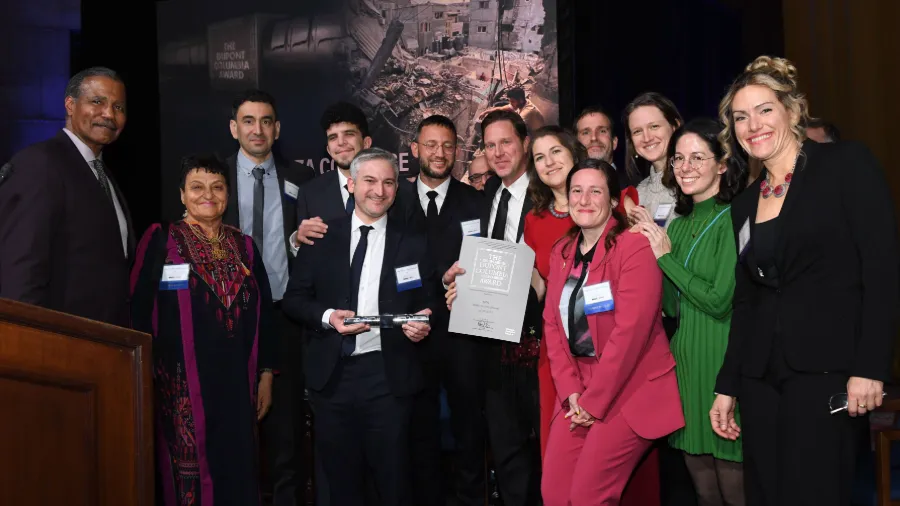
Bloomberg News | DCTV
This carefully researched documentary followed a team of lawyers battling Snapchat, Meta, and YouTube to spotlight the devastating impact social media platforms have on teenagers and their families.

Brian Lehrer, WNYC
Each year, School faculty present the Columbia Journalism Award — the School’s highest honor — to a journalist whose career reflect the highest standards of excellence in the field.The longtime host of “The Brian Lehrer Show” on WNYC received the award at the School’s May 21 graduation ceremony and delivered the keynote address.
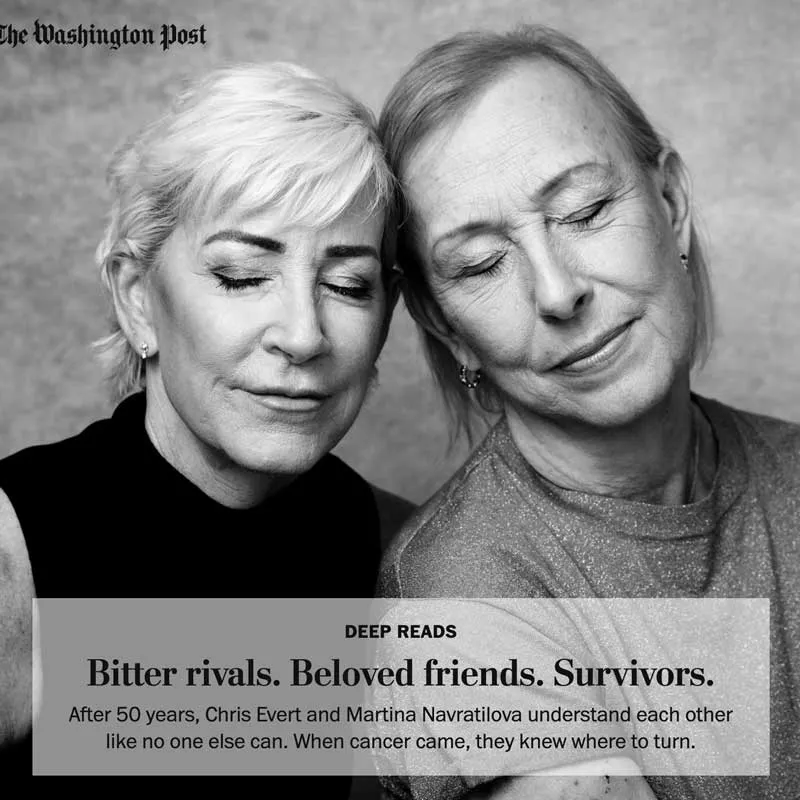
Sally Jenkins, Washington Post
For "Bitter rivals. Beloved friends. Survivors," a powerful story about the enduring friendship of the two greatest rivals of their era in women's tennis, Chris Evert and Martina Navratilova.
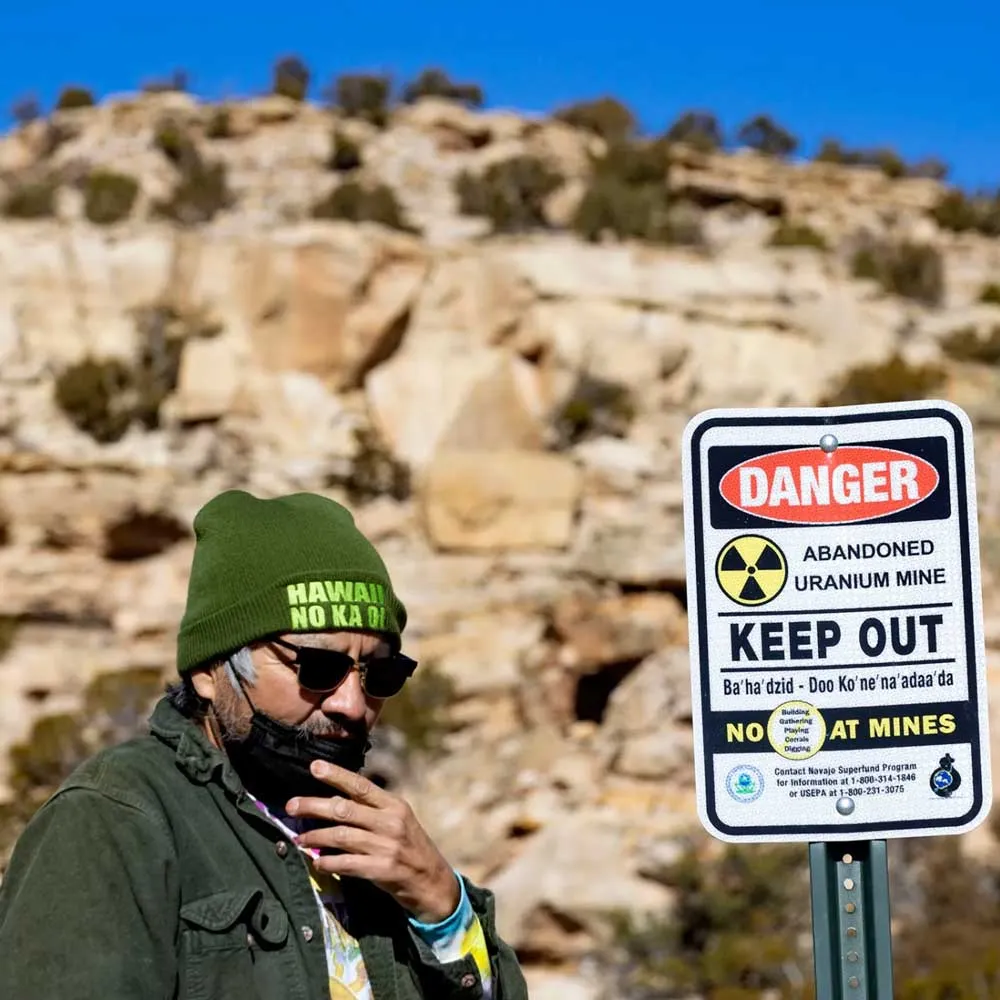
Yvette Cabrera, Center for Public Integrity
For an investigation of devastating effects of uranium mining on the Navajo Nation, "Nuclear buildup sickened his community. Then it caught up with him."