Science Concentration
A Note on Our M.A. Program Evolution
Columbia Journalism School regularly reviews its degree offerings to ensure our teaching keeps pace with the evolving demands of global reporting. To focus fully on this strategic evaluation, we are temporarily pausing admissions for the M.A. program.
Prospective applicants interested in the M.A. program are encouraged to contact the Admissions Office at [email protected] to discuss how our other degree programs may align with your academic and career goals or whether you prefer to wait for the relaunch of the M.A.
Learn to cultivate ways of thinking, reporting, and writing that are essential to covering any field of science.
Students in the Science Concentration develop ways of thinking and reporting that can be used to cover with depth, nuance, and creativity any realm of science: everything from health and medicine to technology, climate change, environment, biology, and physics.
The concentration emphasizes understanding the culture and practice of science: for example, students gain the skills needed to examine science funding, to place findings in historical context, to interpret peer-reviewed studies, and to understand the peer-review process as well as its origins and its challenges.
The Science Concentration also has a strong focus on climate and environment, led by Marguerite Holloway, and a strong focus on narrative and medicine, led by Jonathan Weiner.
I have a better understanding of the culture of science, how science is produced, current issues around science production, science history, and what the latest trends are in many relevant scientific fields. As a result, I feel more prepared to pitch science outlets.
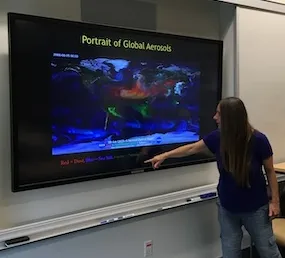
The Science Concentration places particular emphasis on writing creatively and compellingly, whether in a short news story or in a long piece of narrative nonfiction. Students learn to think critically about metaphor, to report and write strong scenes, and other important elements of great science writing. Students work closely with professors Holloway and Weiner on their stories and on their thesis. For many students, the thesis is a chance to work on narrative at a new scale and to develop expertise in their chosen area.
Theses done by Science Concentration students include:
- Carin Leong (‘23 M.A. Science)’s "Waiting Space"
- Anna Mattson (‘23 M.A. Science)’’s "The Unexpected Workers Repairing Harm from Oregon's Wildfire Crisis”
- Adam Kovac (‘22 M.A. Science)’s "Inside the Heated Scientific Debate to Redefine Who is Dead”
- Ellie Sheche (‘20 M.A. Science)t’s "A Plague on Ibiza"
- Sarah Hurtes (‘20 M.A. Science)’s "”Am I going to regret it?': forever chemicals dilemma for breastfeeding mothers”
- Ankur Paliwal (‘15 M.A. Science)’’s “The Curse that Shoes Can Break”
In addition to core courses such as Evidence and Inference and Essentials (investigative and data skills), the M.A. program offers students the chance to take classes in other departments around campus. For those in the Science Concentration, outside courses can include those on law, the history of science and technology, public health, narrative medicine, ecology, anthropology, earth and environmental sciences, neuroscience and many, many other disciplines.
Graduates of the Science Concentration have gone on to cover science around the world as freelancers, as book authors, and as contributors and staffers to dozens of outlets including the Washington Post, the New York Times, Bay Nature, the Times Picayune, Science, Popular Science, Scientific American, WBUR, ProPublica, Freakonomics, the Atlantic, and Last Week Tonight with John Oliver.
Students in the Science Concentration form a strong, warm, and enduring community and join a network of more than 160 graduates.
The M.A. program allowed me to switch beats and develop multi-national award-winning scientific and investigative reporting. It facilitated a series of networking opportunities that have enabled me to successfully freelance for a living. It instilled new skills, ways of thinking and confidence in me that have elevated the journalism opportunities I am competitive in.
M.A. Science Concentration Faculty
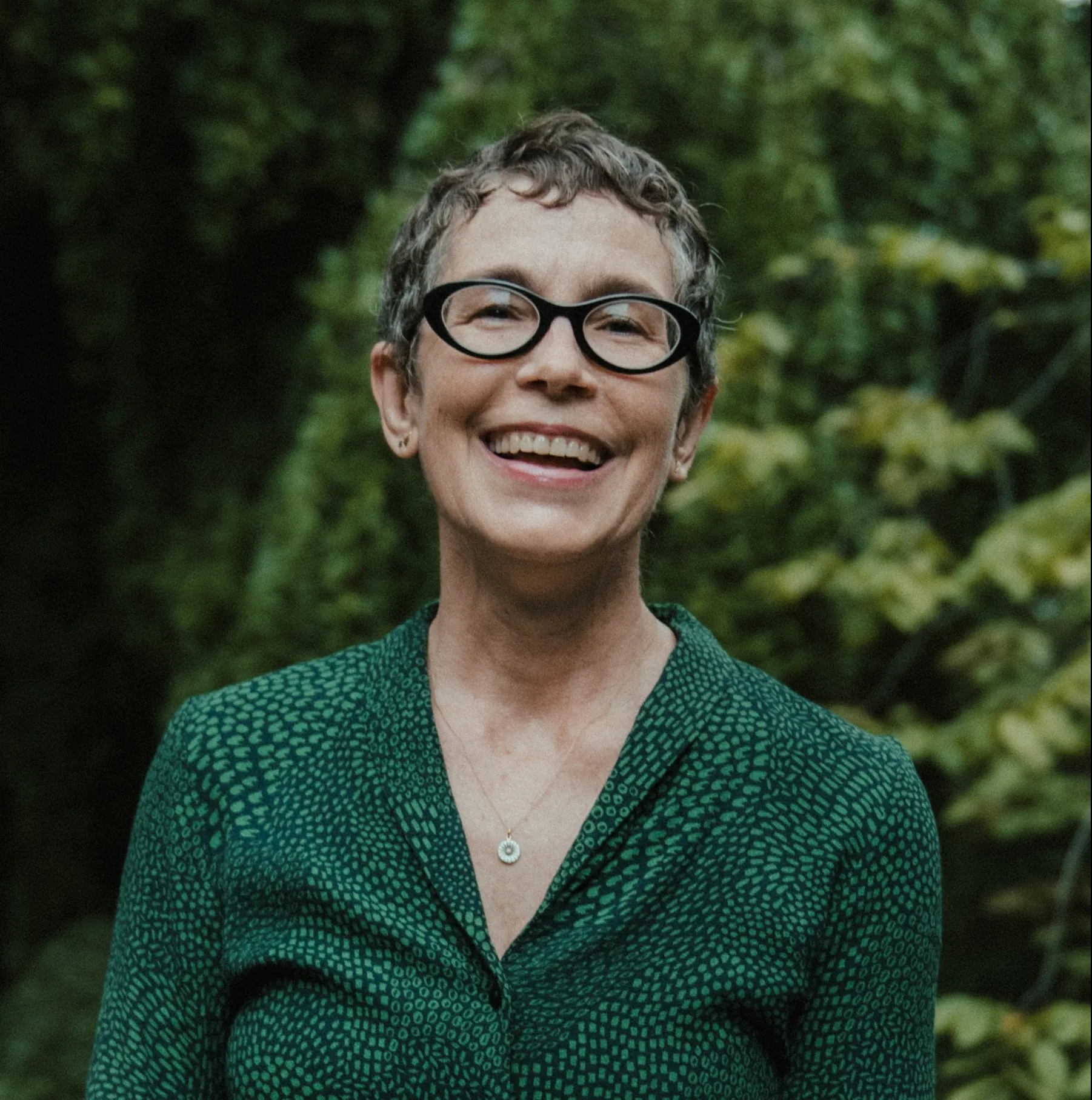
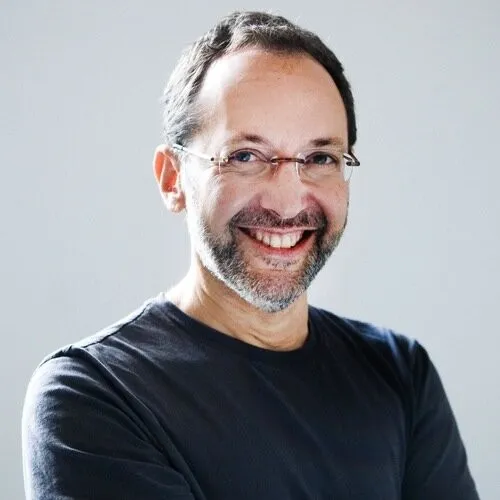
Co-Director, M.A. Science
Disclaimer: Columbia Journalism School, at its sole discretion, reserves the right to make changes to its academic programs, course offerings, degree requirements and academic policies.