Applications for the 2027-2028 academic year are now open.
Apply today!
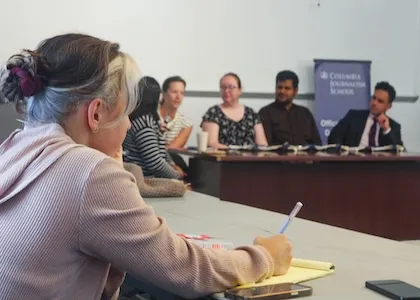
Hear from Columbia Journalism School alumni about the student experience, why they chose to attend CJS and more.
Admissions
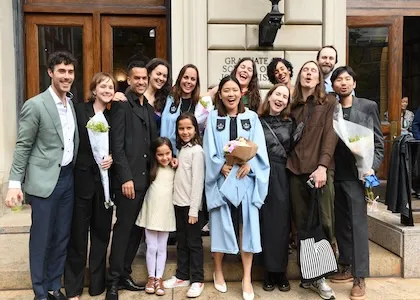
Columbia Journalism School’s degree programs are designed for a diverse and global student community, from those with little to no journalism experience to those who have been working in the field for years. Our students arrive at Pulitzer Hall hailing from dozens of countries and states and from a wide range of educational backgrounds.
Learn more about the application fee waiver and the School's commitment to Access.
Applications for the 2027-2028 academic year are now open. Apply today!
Where to Begin
Why Columbia?
Centers and Institutes
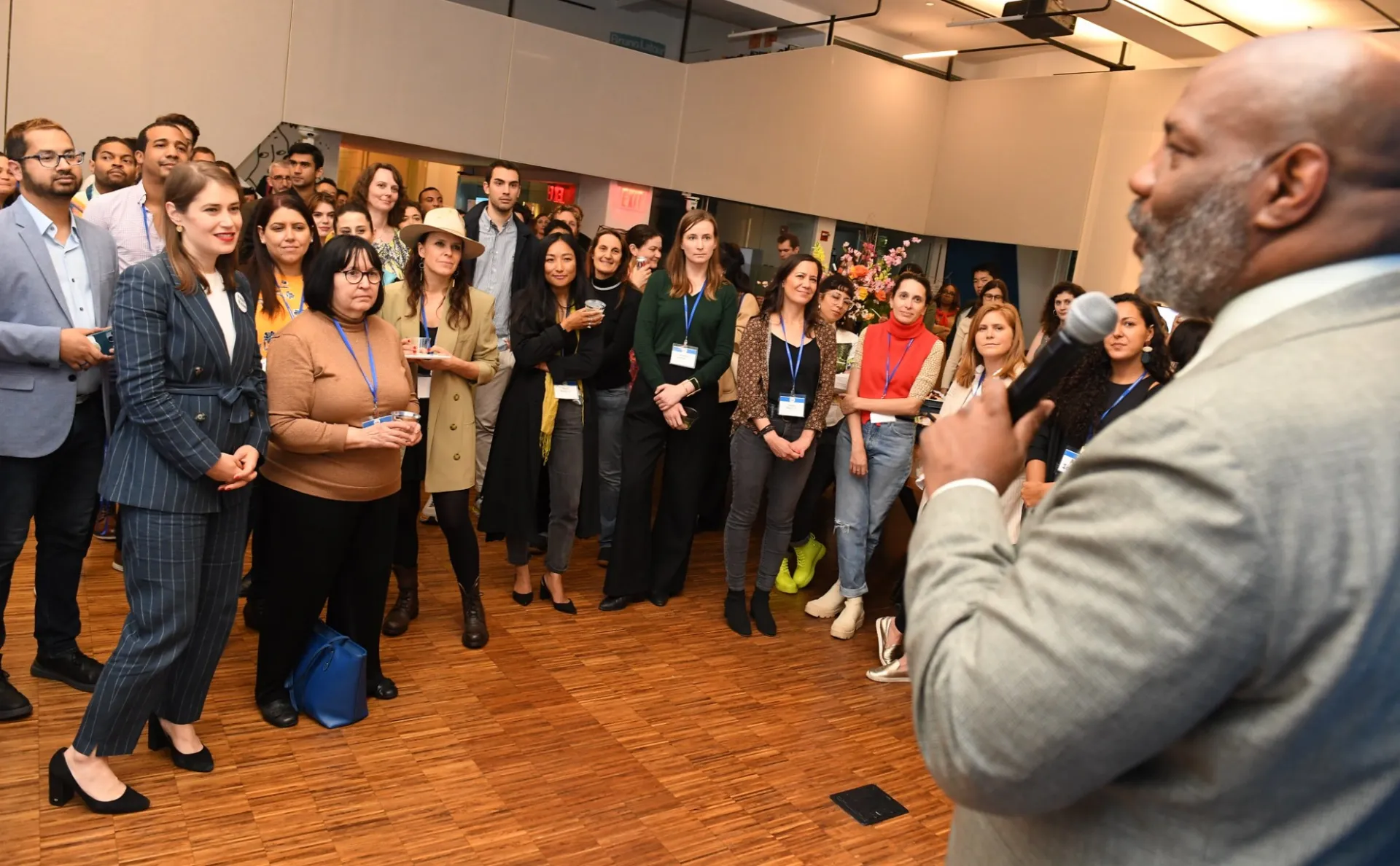
You will have the chance to engage with our eight world-class centers and institutes, which serve as global industry leaders in journalism innovation, research and training.
World-Class Faculty
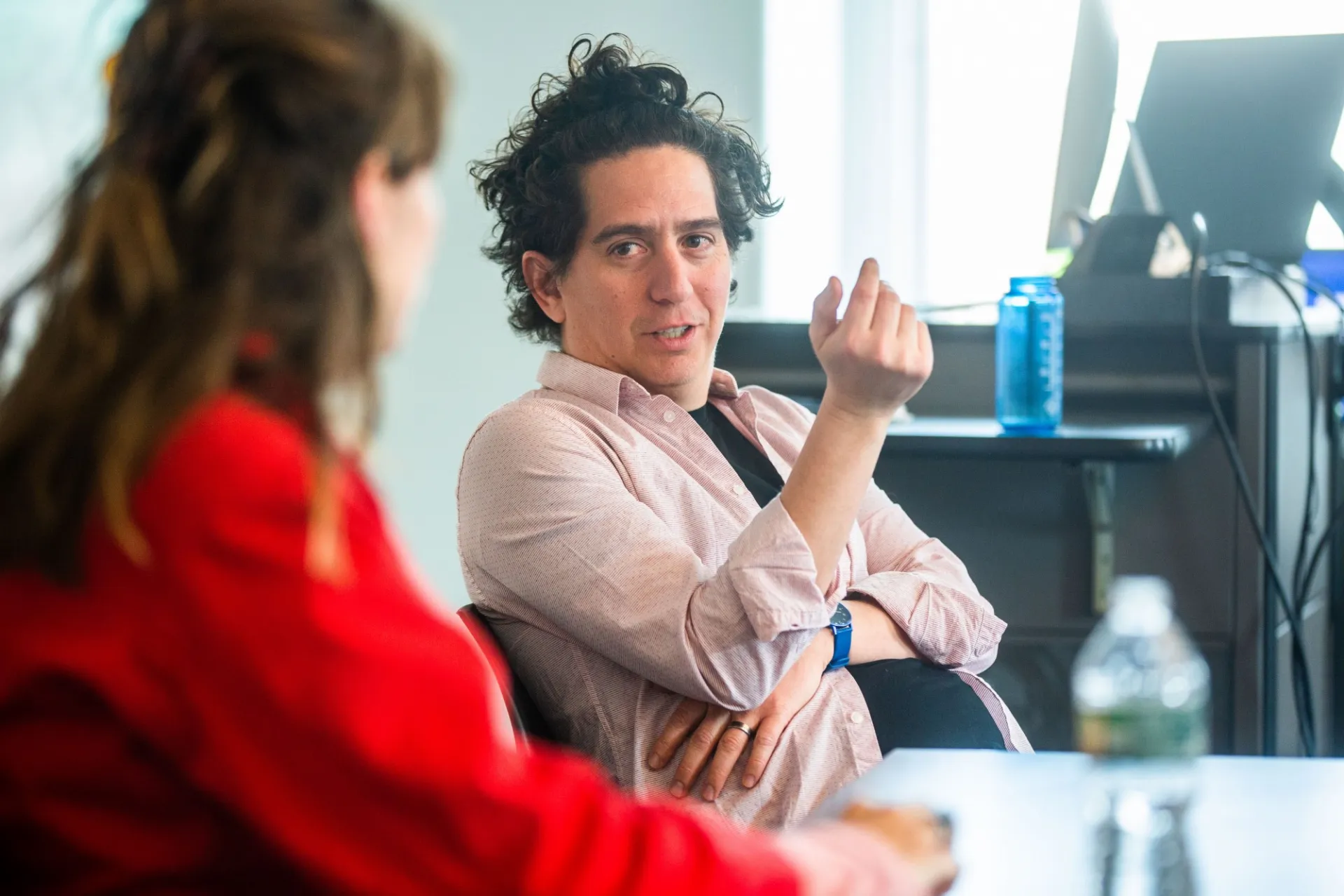
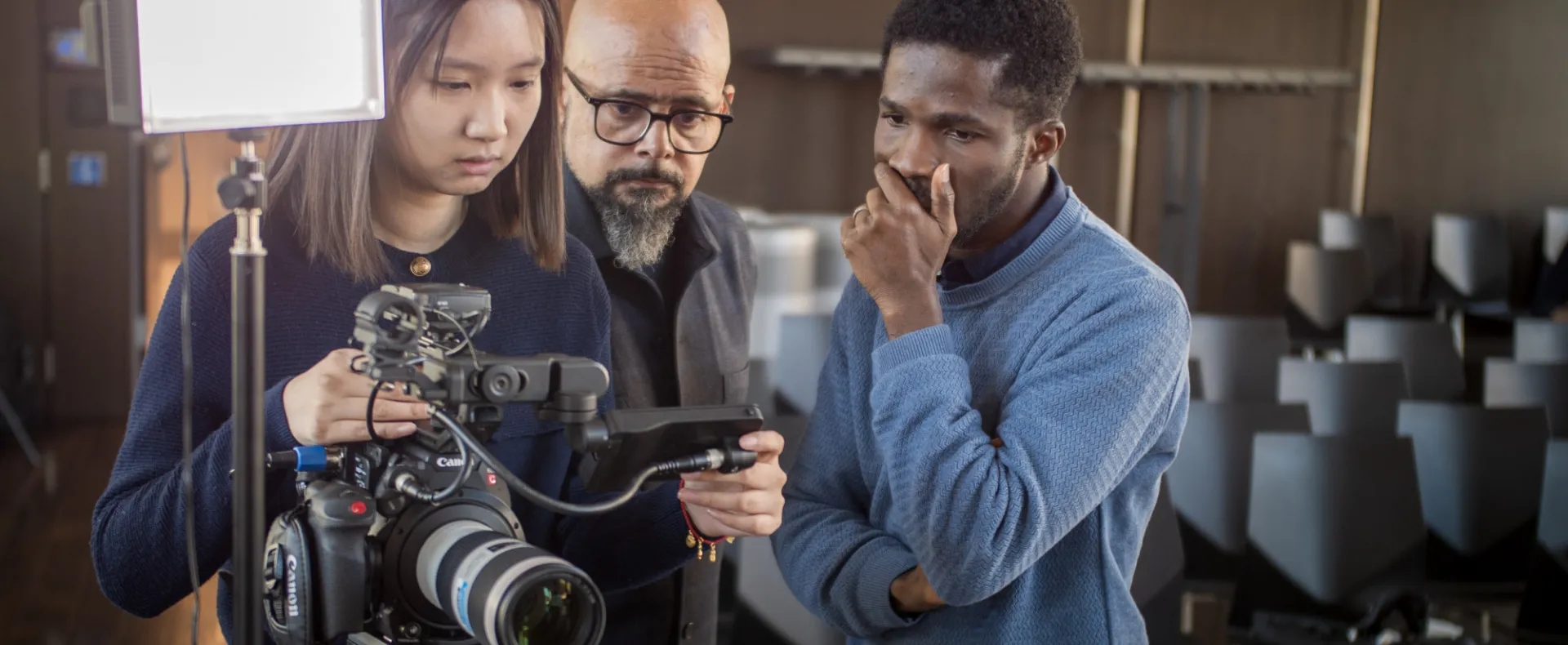
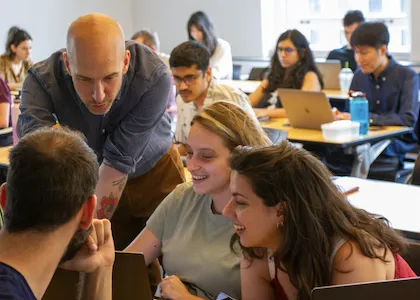
You will have the opportunity to take small, hands-on classes in all storytelling mediums taught by distinguished journalists, including winners of the Pulitzer Prize, the MacArthur “Genius” Fellowship, the Peabody Award, the Emmy Award, the National Magazine Award, the Guggenheim Fellowship and the National Book Critics Circle Award.
Report in N.Y.C.
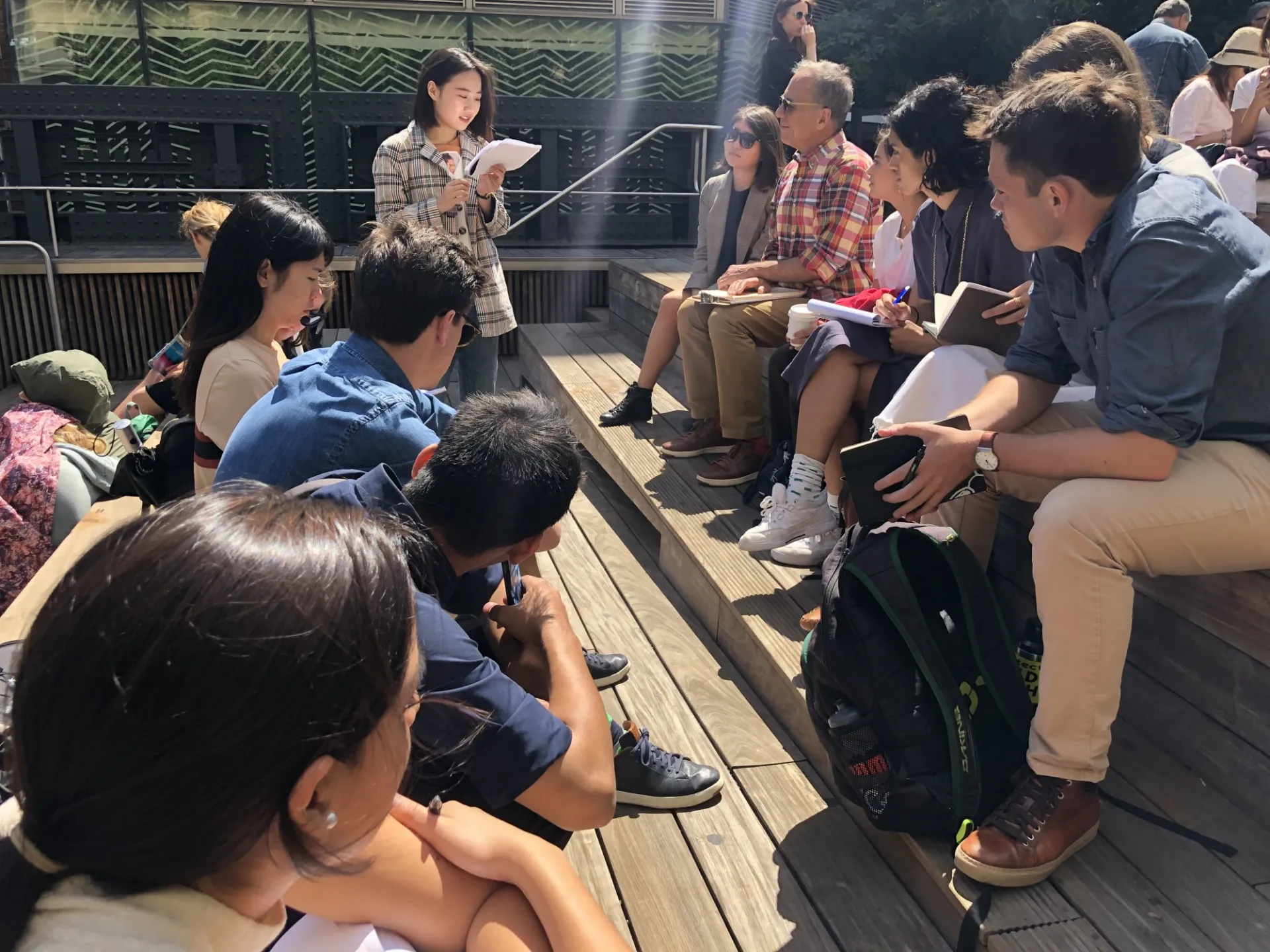
You will tell stories across the vibrant communities of New York, an inexhaustibly exciting and international city that is also one of the great media capitals.
Career Development
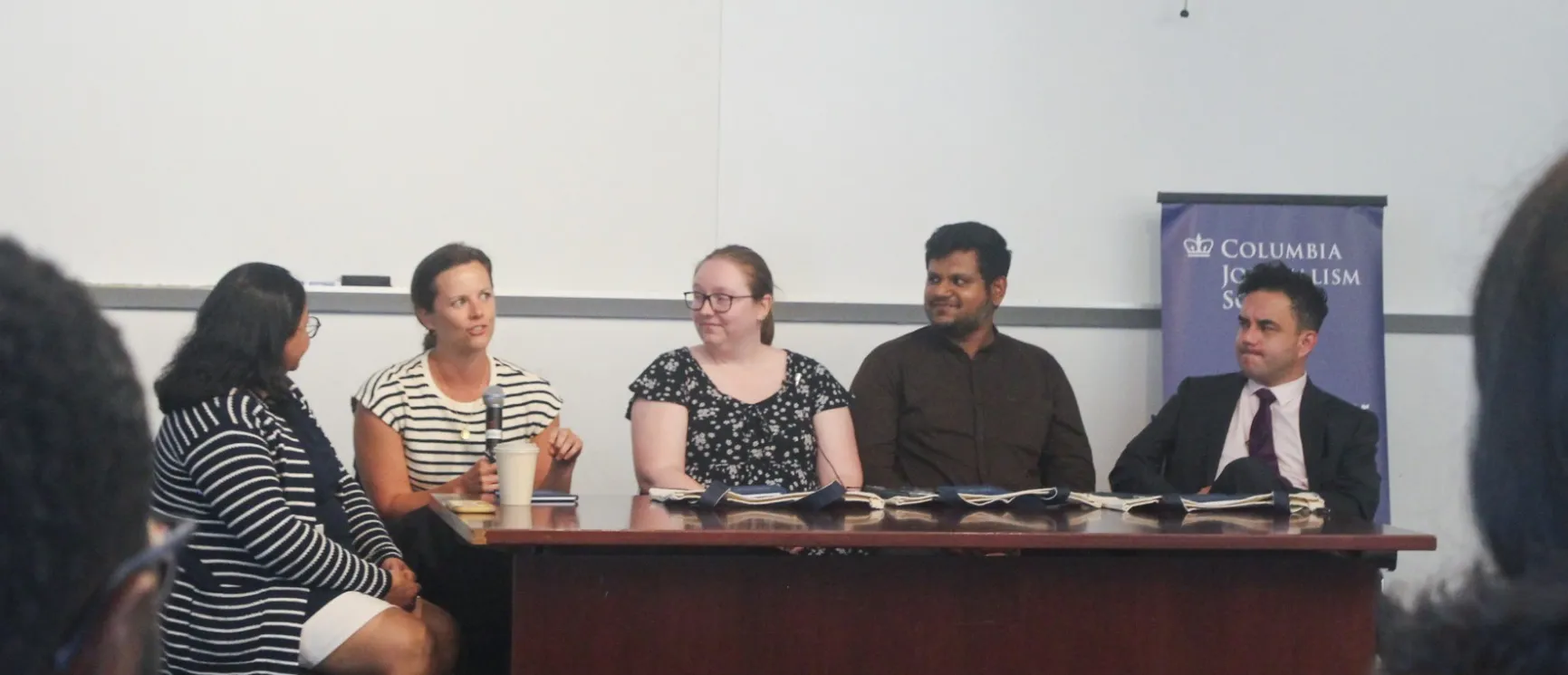
You will participate in the largest journalism career expo in the world and receive thorough, one-on-one career development counseling and the year-round opportunity to network with news organizations from across the U.S. and around the globe.
Prizes
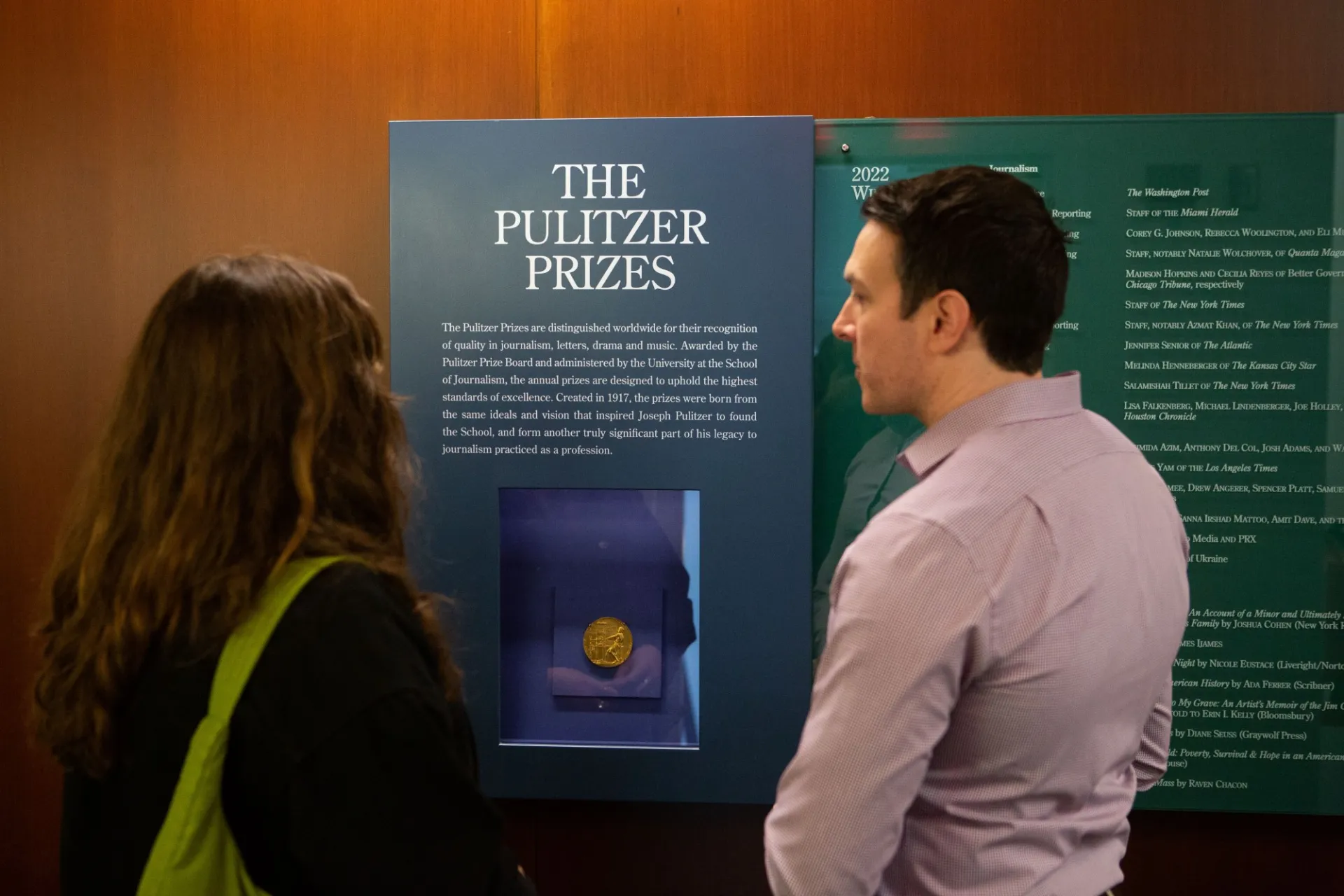
You will have the opportunity to meet with many of the recipients and jurors of the preeminent journalism prizes that are administered by the school.
Alumni Network
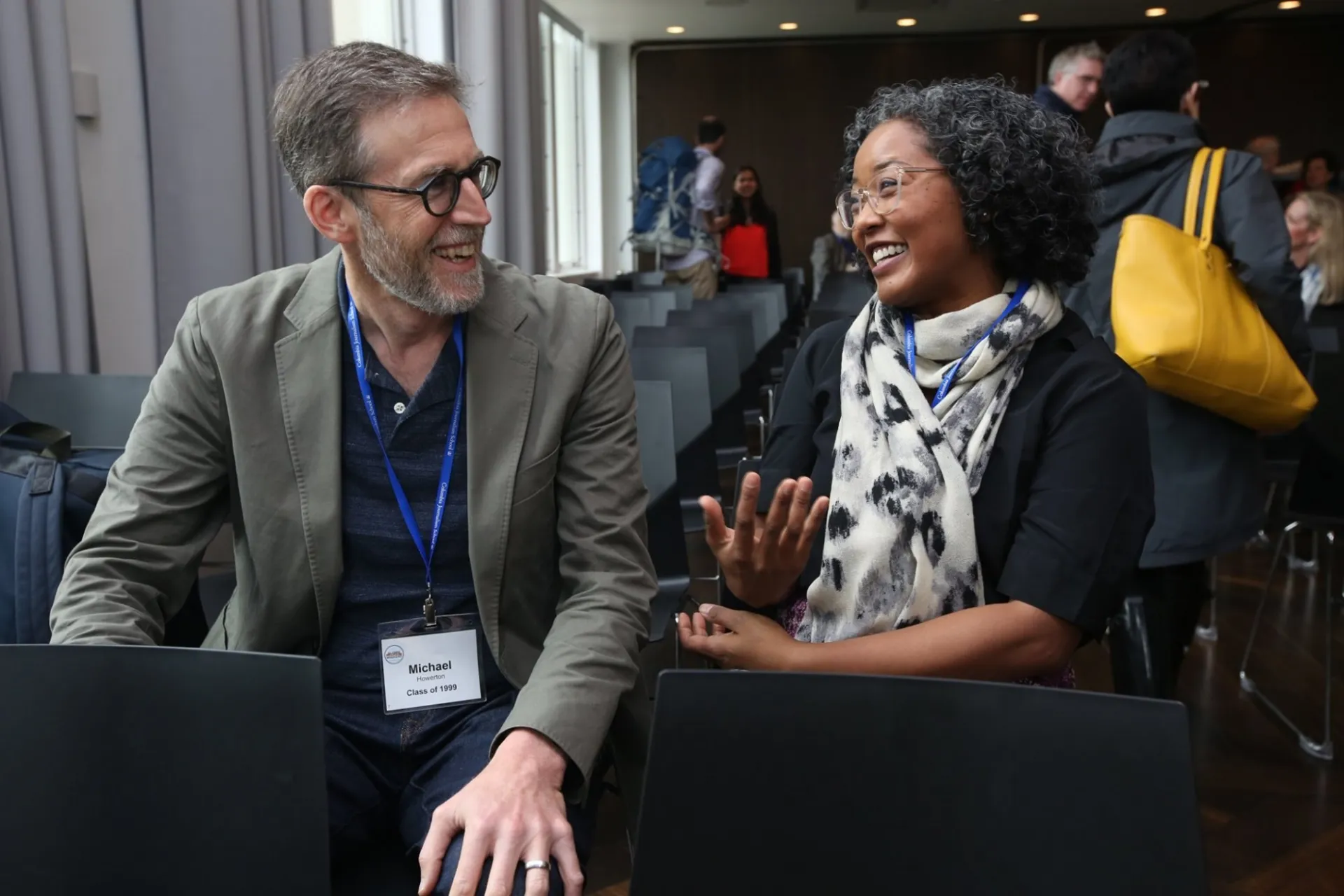
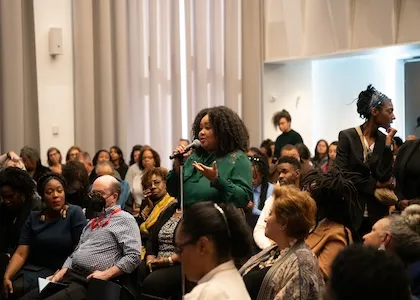
When you graduate, you will join the more than 15,000 members of the Columbia Journalism School alumni community, which spans the globe and offers professional and social networking throughout the year.
Marina Roman, '27 M.S. Part-Time, Answers Your Questions
Explore Our Degree Programs
9.5 months
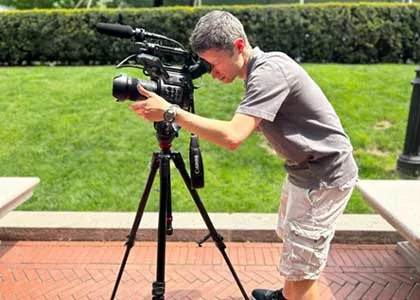
The Master of Science Program offers a broad and flexible curriculum in which you can select a world-class education in the journalism mediums and subjects that matter to you, all while you gain the fundamental professional skills in reporting, storytelling and ethics that will make you stand out throughout your career.

Two years
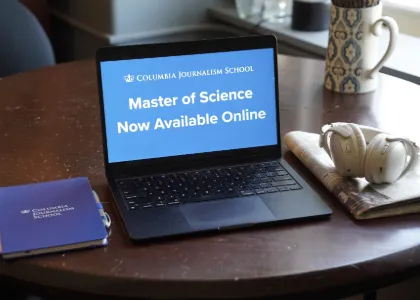
Columbia Journalism School’s Online Part-Time M.S. Program allows students to continue working and living across the United States while earning their degree over two years. Through an Ivy League education grounded in reporting, they’ll learn to ask sharper questions, evaluate information critically and communicate complex ideas with clarity.
Many Paths Lead to Columbia
“Whether you are new to journalism or looking to accelerate your career in the field, Columbia has degree programs that will meet you where you are and help you achieve your professional goals. Regardless of where you’ve studied, worked or lived before, if you are passionate about storytelling, this is the ideal community for you.”
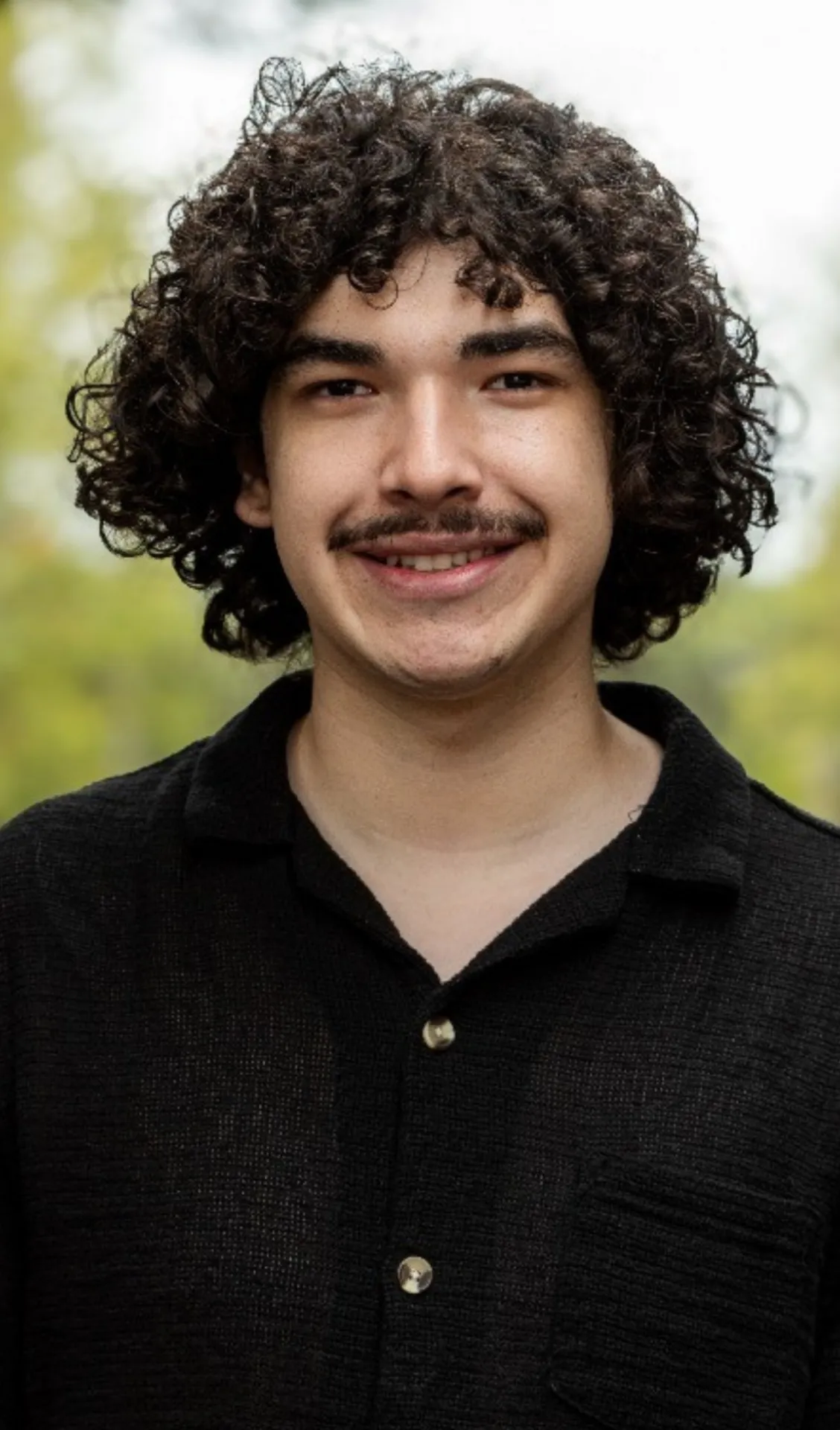
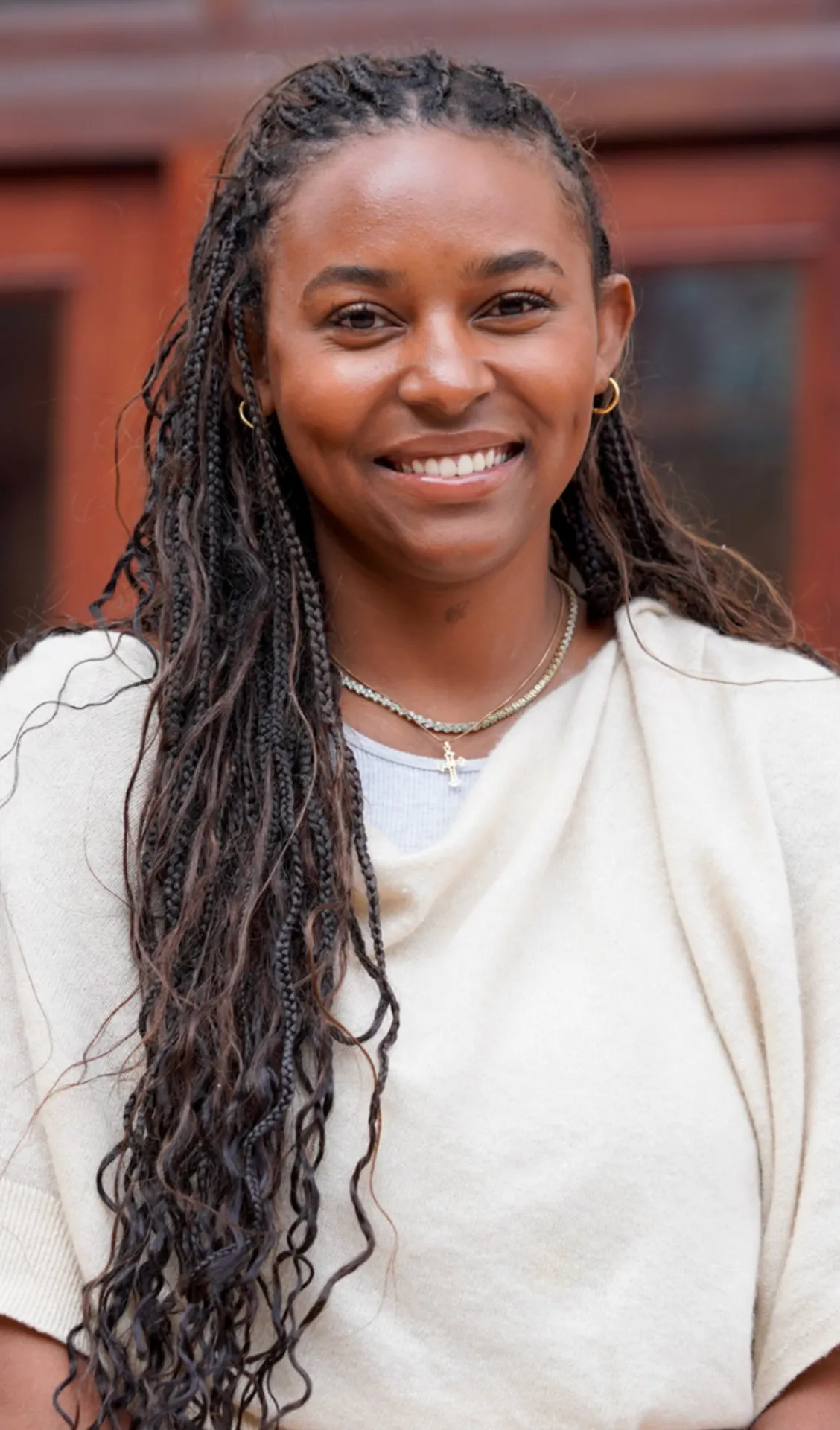
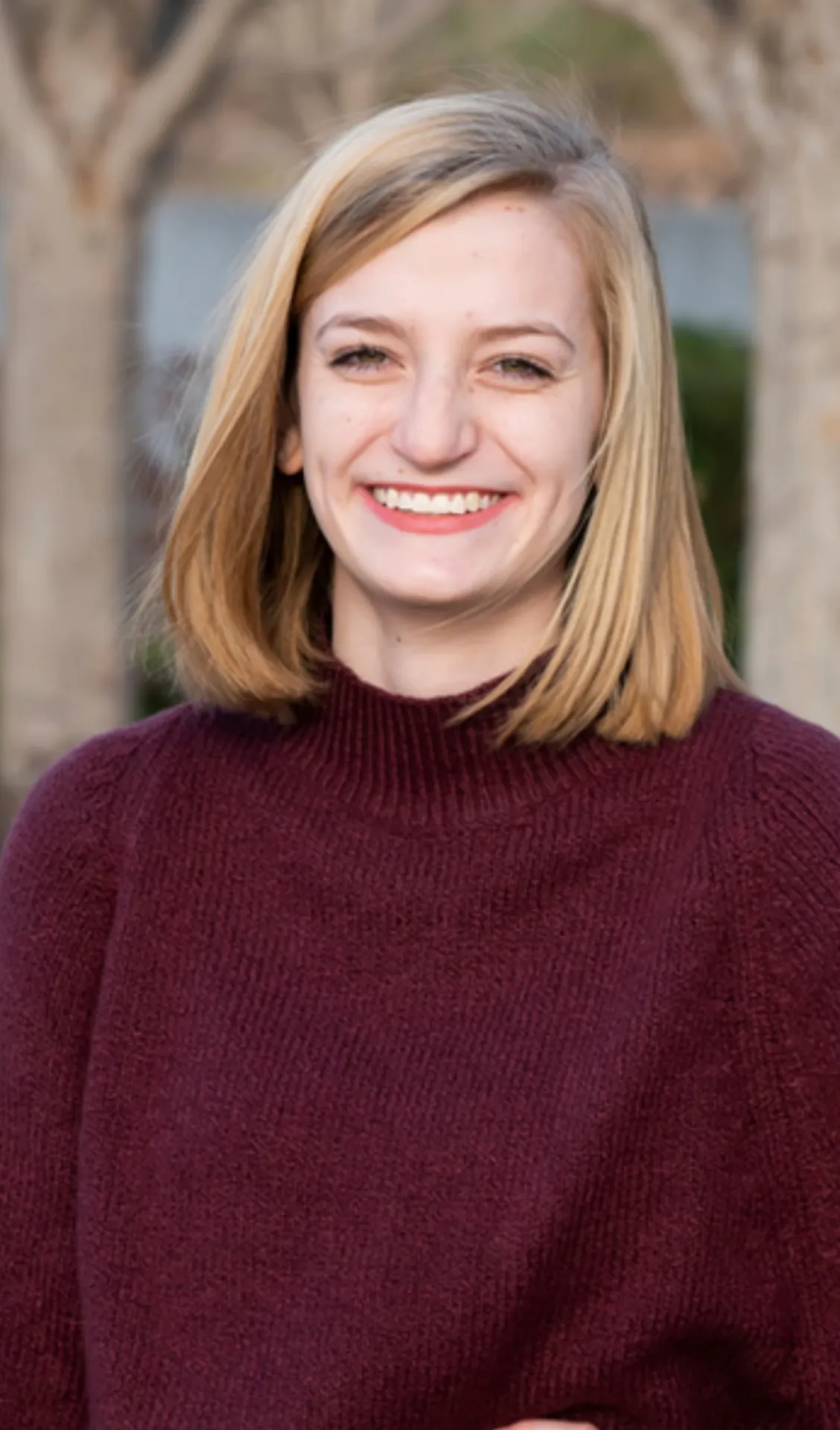
Choose A Day in the Life
Disclaimer: Columbia Journalism School, at its sole discretion, reserves the right to make changes to its academic programs, course offerings, degree requirements and academic policies.
Contact the Admissions and Financial Aid Team:
Email us: [email protected] (hyperlink to email)
One-on-One Online Appointments: Schedule a chat here.
Call us: 212-854-8608