Reporting begins here.
Columbia Journalism School has been a preeminent institution for over a century — and continues to invest in the industry by focusing on five major areas over the next decade.
Even as the industry is grappling with many difficulties, journalism is seeing an unprecedented level of innovation.
The pillars of CJS2030 are integrated in every facet of the school, from curriculum to Centers and career development. Learn how at each of the pages below.
CJS2030 News

CJS community covers worldwide election reporting, offering accurate, timely insights.

Desks, Production Rooms and Field Reporting: Students Covering the U.S. Presidential Election.
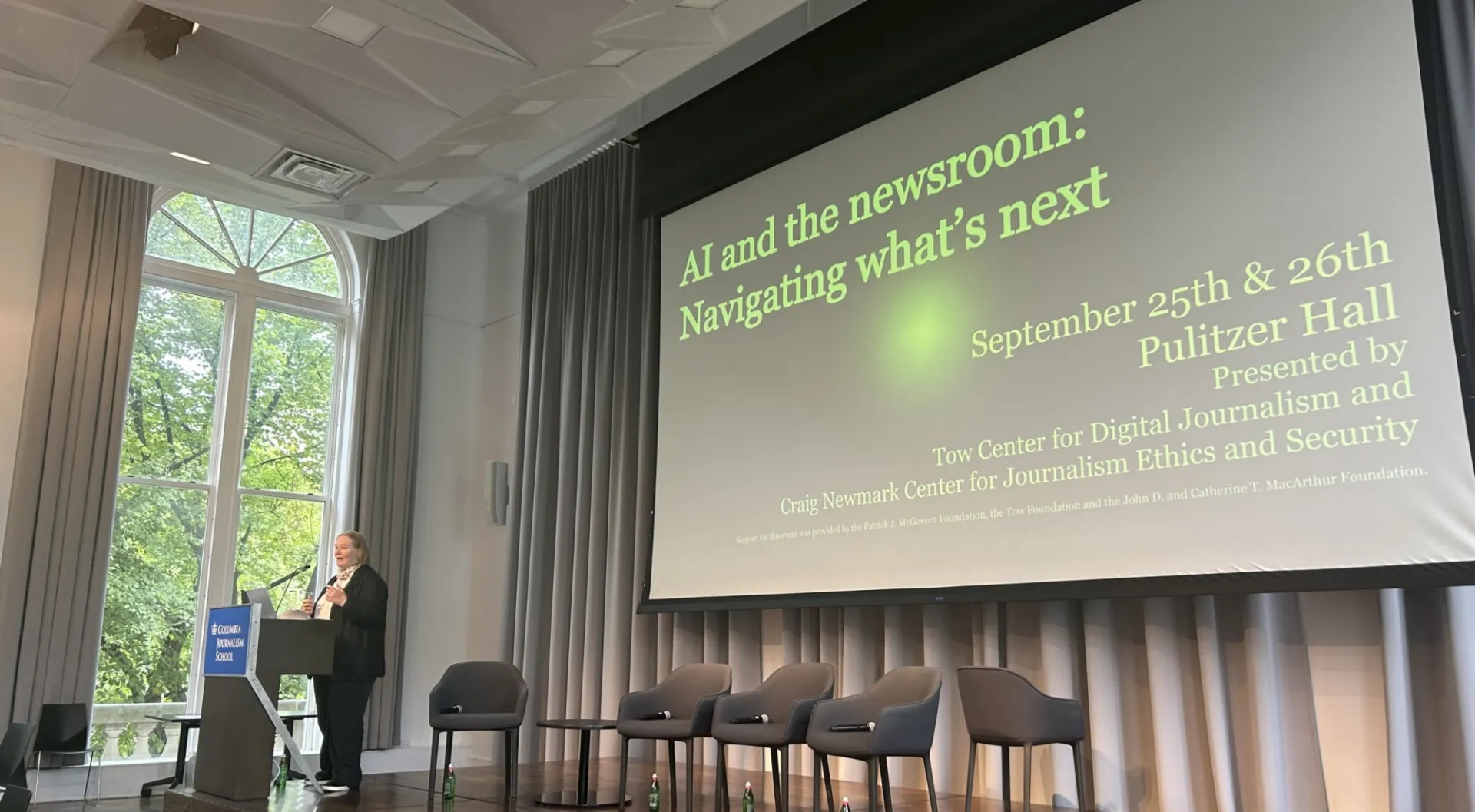
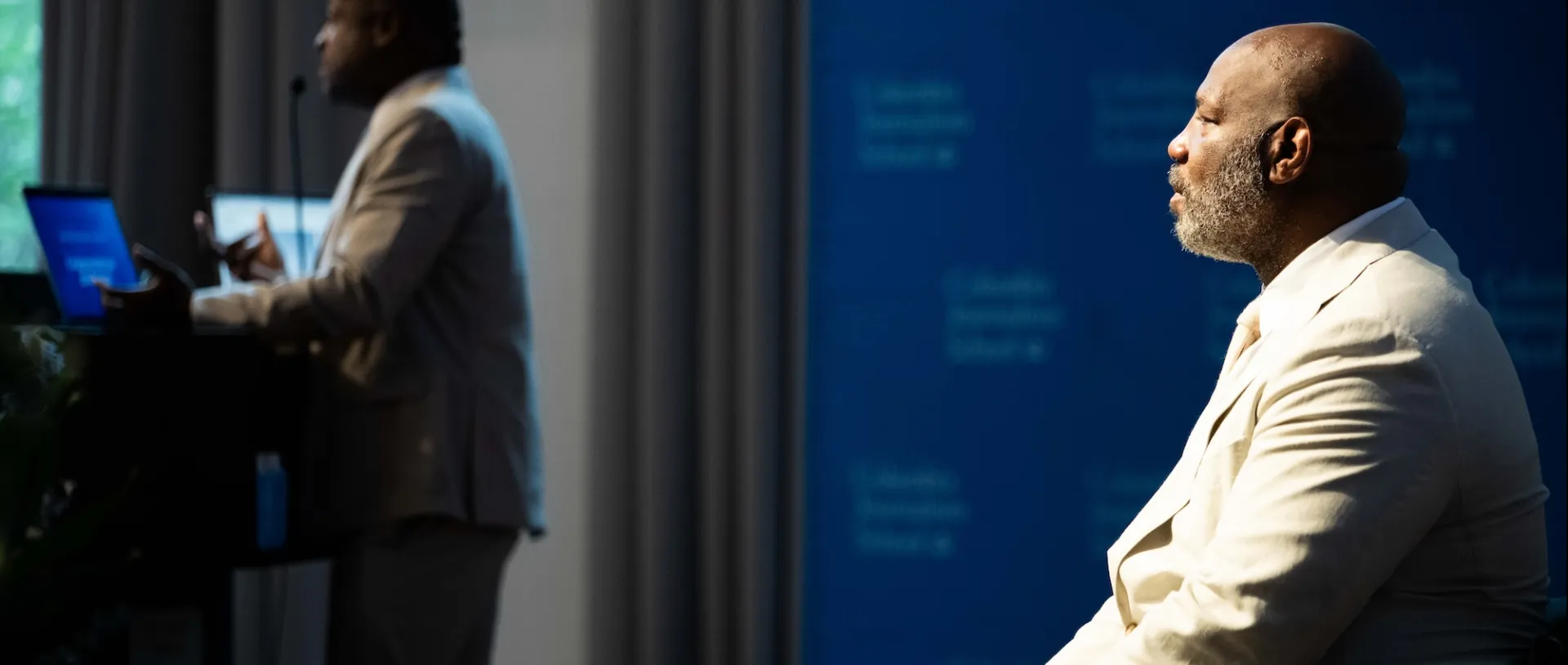
Leading figures in the media industry met at Columbia Journalism School for a two-day event.

From Sept 22–29, J-School students immersed themselves in Climate Week NYC, and produced compelling stories for Columbia News Service.
Watch the stream: join a sweeping exploration of AI and ethics in today’s journalism with leading industry thinkers and news practitioners.

Want cutting-edge coverage of one of the most impactful issues of our time? Explore work created by CJS faculty, alumni and students.
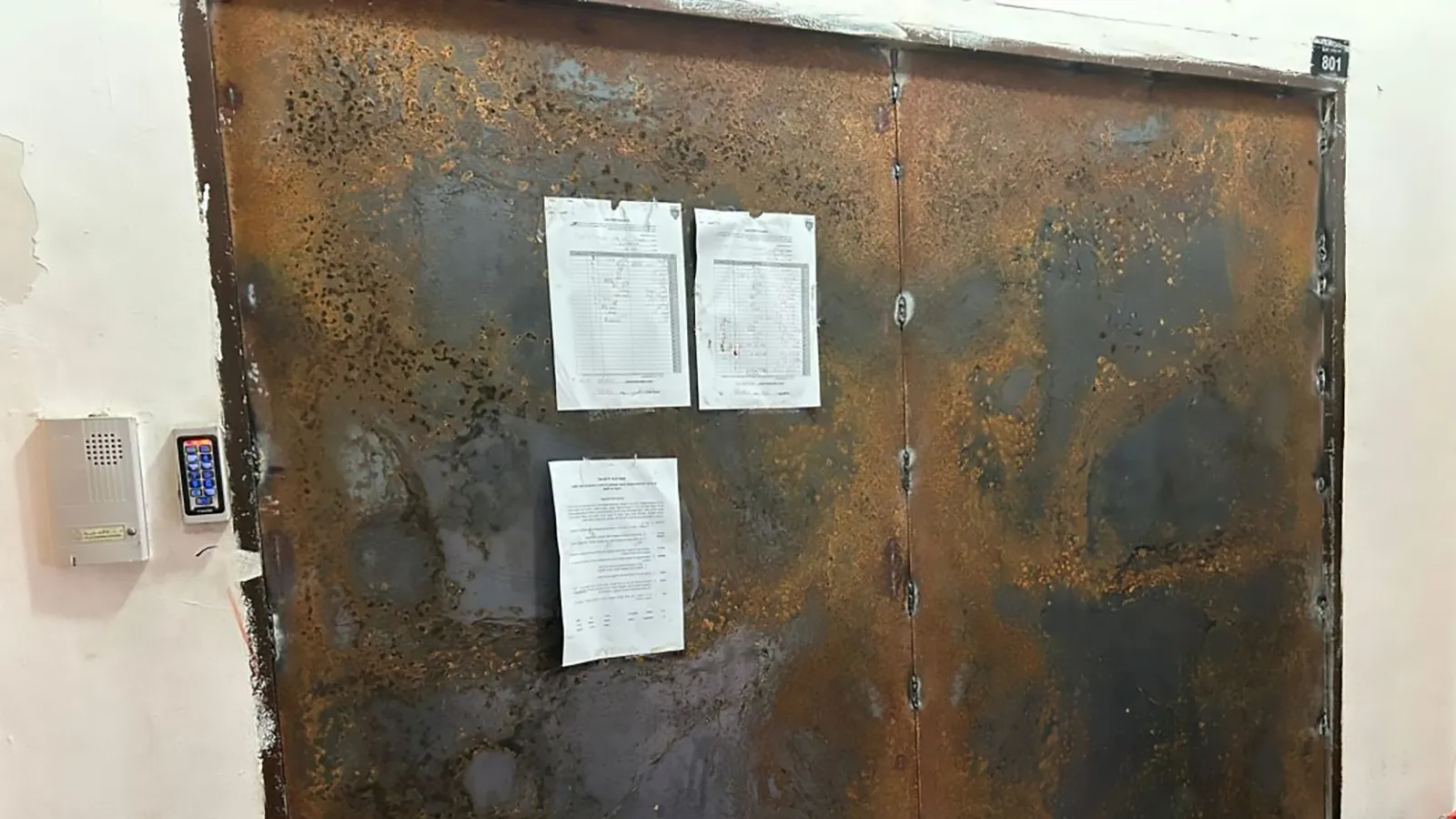
Governments everywhere must respect journalists’ right to report freely and without fear.
The Faculty of Columbia Journalism School strongly condemns the intimidation of journalists.

Explore the latest in environmental journalism from the School community.