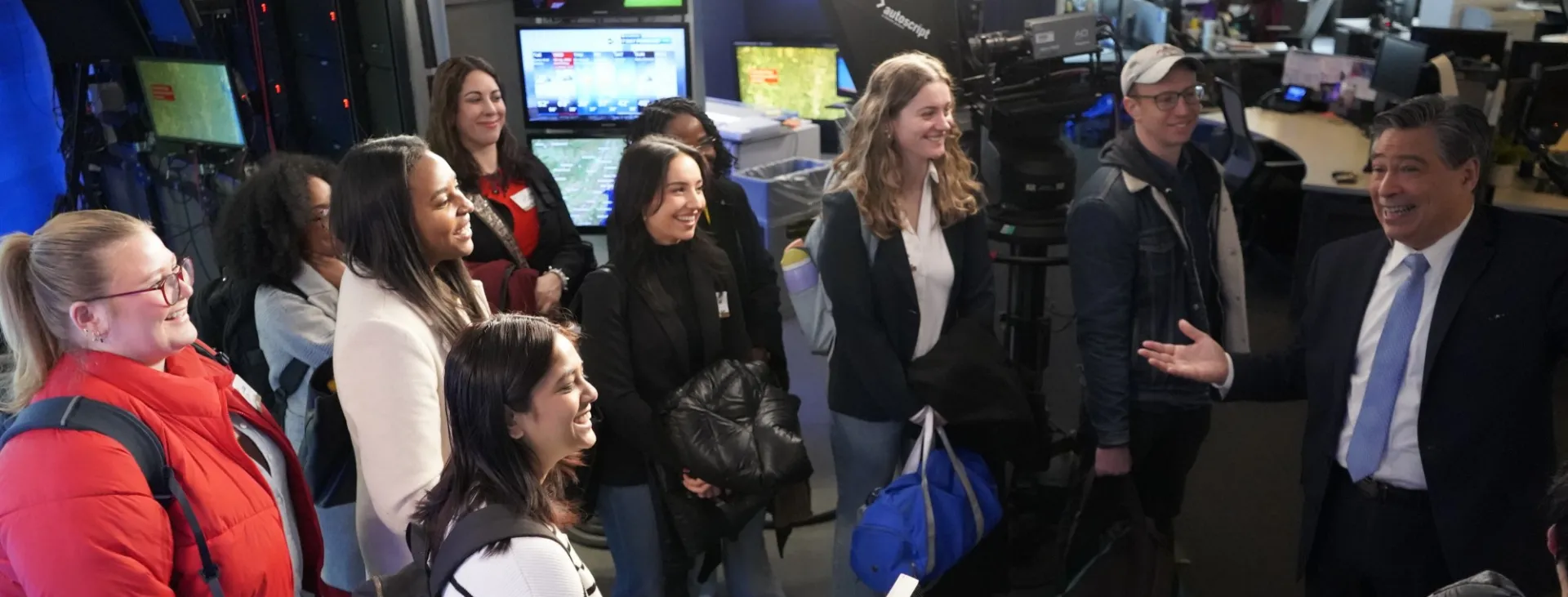
Preparing Journalists for the Future
At Columbia Journalism School, innovation and adaptability are central to our curriculum. Sequences allow students to deepen their expertise in ways that reflect the evolving needs of the journalism profession — preparing them to report and lead in an ever-changing media environment.
What are Sequences?
Sequences are means by which to curate your classes so as to deepen you skill and knowledge in key journalism areas — from climate and immigration reporting to podcasting and photography.
Sequences offer a way of thinking through your course selection to create a body of work on a particular topic, allowing tailored learning based on the courses you pick. Rather than a formal specialization, they serve as a flexible framework to help guide your academic path.
Available Sequences
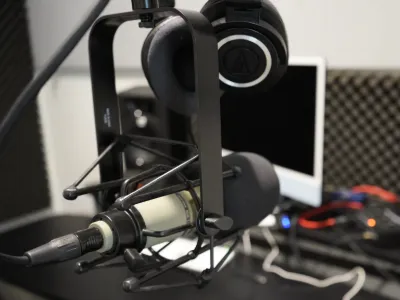
Develop skills in reporting, scripting and producing compelling stories through sound, from podcasts to narrative audio.
Learn to cover companies, markets and the global economy with clarity, accuracy and accountability.
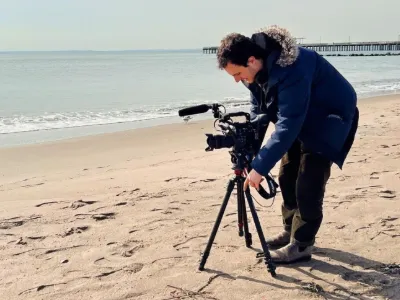
Report on the science, policy and human impact of climate change across local and global contexts.
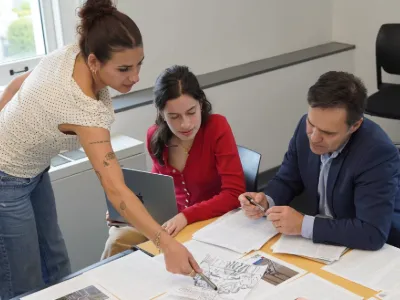
Understand the modern magazine landscape, from longform writing to fact-checking, editing, copy-editing, newsletter writing, audience development and more.
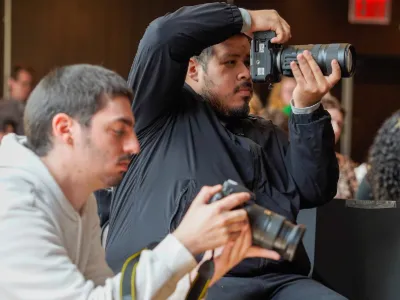
Build visual storytelling skills through still photography, focusing on composition, ethics and narrative depth.
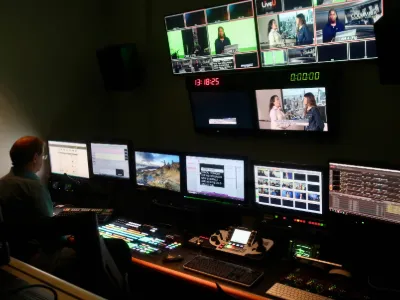
What are Tracks?
Tracks allow students to concentrate on a specific area of reporting or storytelling throughout the M.S. curriculum. They are designed to help students build depth and a strong body of work in their chosen focus.
Arts, Culture and Entertainment (ACE)
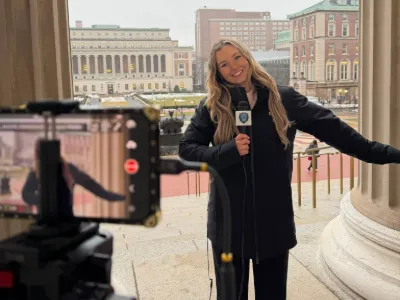
Designed for M.S. students with a strong interest in covering the arts, entertainment and cultural affairs. ACE students take the same course requirements as other M.S. students, but each class will have a focus on reporting on news and issues related to these topics. Students will take their Written Word, Master’s Project, and at least one of their spring Seminar & Production classes with a focus on arts, culture or entertainment. There is an application for this track included with the course preference ballot.
Visual Craft (VC)
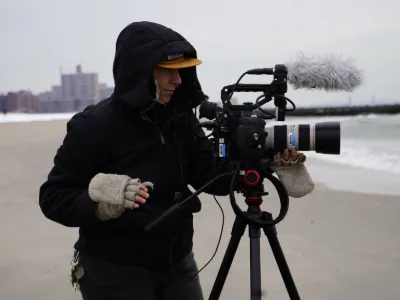
Designed for full-time M.S. students committed to developing professional skills as both a photojournalist and documentary cinematographer. The track will focus on building basic and advanced camera skills in both still cameras and video cameras. Visual Craft students will take the same course requirements as other M.S. students, but each track class will have a deep focus on mastering the technical fundamentals of high-end visual storytelling. This means photography skills will be built into your Reporting class, and you will take specialized video training in the second half of the fall. In the spring, VC students are eligible and encouraged to take more advanced production classes in documentary photography and short doc filmmaking. The Visual Craft track is ideal for students looking to produce cinematic, narrative films and artful, in-depth photojournalism. This track is not designed for those looking to produce for television news or to be on-air hosts or personalities (which are skills covered in other classes). There is an application for this track included with the course preference ballot.
Questions? Academic Affairs and Student Affairs advisors can help design a Sequence aligned with your career ambitions.
Learn more about the M.S. Degree
Looking for Specializations? Learn about the Documentary and Investigative Programs. Or, explore the Data Journalism Degree and Dual Degree at CJS.
Disclaimer: Columbia Journalism School, at its sole discretion, reserves the right to make changes to its academic programs, course offerings, degree requirements and academic policies.