Politics Concentration
A Note on Our M.A. Program Evolution
Columbia Journalism School regularly reviews its degree offerings to ensure our teaching keeps pace with the evolving demands of global reporting. To focus fully on this strategic evaluation, we are temporarily pausing admissions for the M.A. program for the 2027-28 academic year.
Prospective applicants interested in the M.A. program are encouraged to contact the Admissions Office at [email protected] to discuss how our other degree programs may align with your academic and career goals or whether you prefer to wait for the relaunch of the M.A.
Explore power and government the world over.
Whether one intends to cover local government or international conflict, every journalist needs a framework for understanding how politics works.
The M.A. Politics concentration aims to teach students how to think more deeply about social and political affairs. The program is designed to add to students’ toolbox of skills by showing them the way in which social scientists approach a range of social, political and economic problems. Unlike a program in international affairs or political science, the program is geared specifically to journalists and all writing is journalistic. The in-depth immersion in the latest scholarship on politics produces better political journalists — ones who are comfortable drawing on expert research to produce stories of greater depth and nuance.

What You'll Study
Students in the M.A. Politics cohort will gain a deeper understanding of vital political issues at the local, national and international levels. Readings will include a mix of political theory, empirical political science and journalism.
Students will learn about the formation of the nation state — why it won out over sprawling, multi-ethnic empires or city states. We use this rich scholarship to help us understand why there is not a coherent central state in Afghanistan or Somalia.
Students will also explore the origins of nationalism: why are people willing to die — and kill — for something (the nation) that made little sense to people of earlier centuries? They use that understanding to decode emerging situations of ethnic conflict, resurgent nationalism and populism.
Students will examine the dynamics of collective behavior — what happens when people get together to effect change, and under what circumstances do political and social movements succeed or fail? Scholars from relevant fields and journalists covering these issues will visit the class on a regular basis.
Later, students will focus on political institutions. Just about everywhere in the world, there are political parties, interest groups, legislatures, executives, judiciaries, regulatory agencies and so on. Students will look at how these developed and the varied forms they take, using the United States as the primary, but not exclusive, example.
M.A. Politcs Concentration Faculty
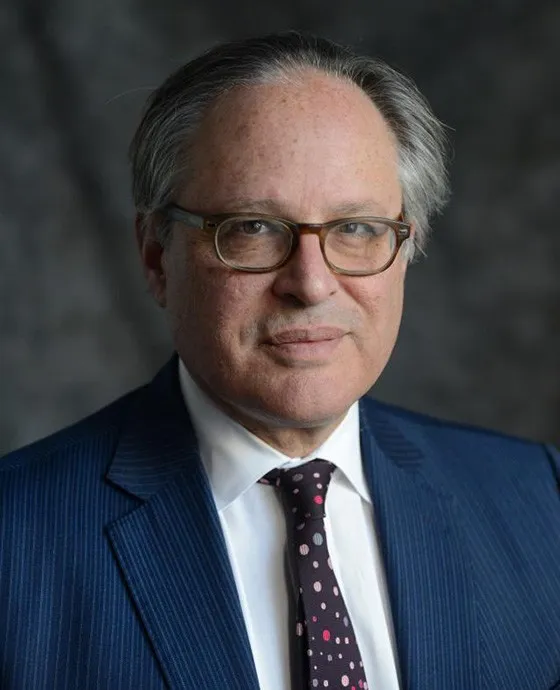
Joseph Pulitzer II and Edith Pulitzer Moore Professor of Journalism
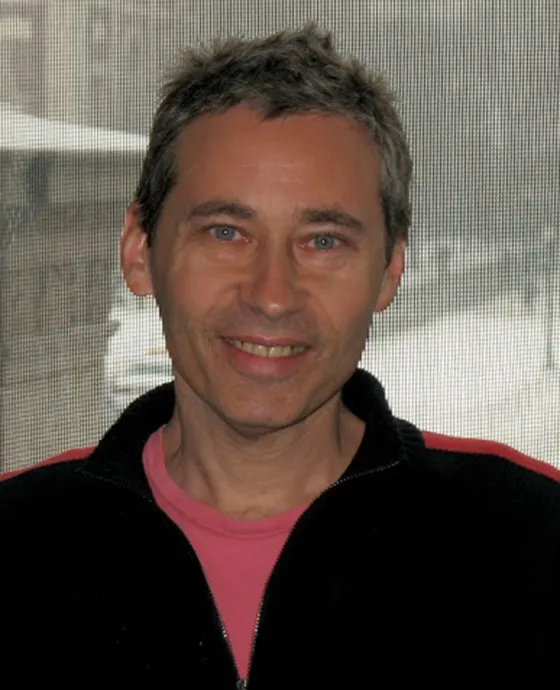
San Paolo Professorship of International Journalism
I have a much more robust understanding of how to be a responsible political reporter. By and large, I have applied the skills I obtained in the MA program to deep investigative work with political underpinnings. My ability to find sources and encourage them to trust me has increased tenfold.
Disclaimer: Columbia Journalism School, at its sole discretion, reserves the right to make changes to its academic programs, course offerings, degree requirements and academic policies.