Your Guide to Climate Week NYC 2026 at Columbia Journalism School
A climate story can begin with a pitch in New York or a reporting trip to French Polynesia.
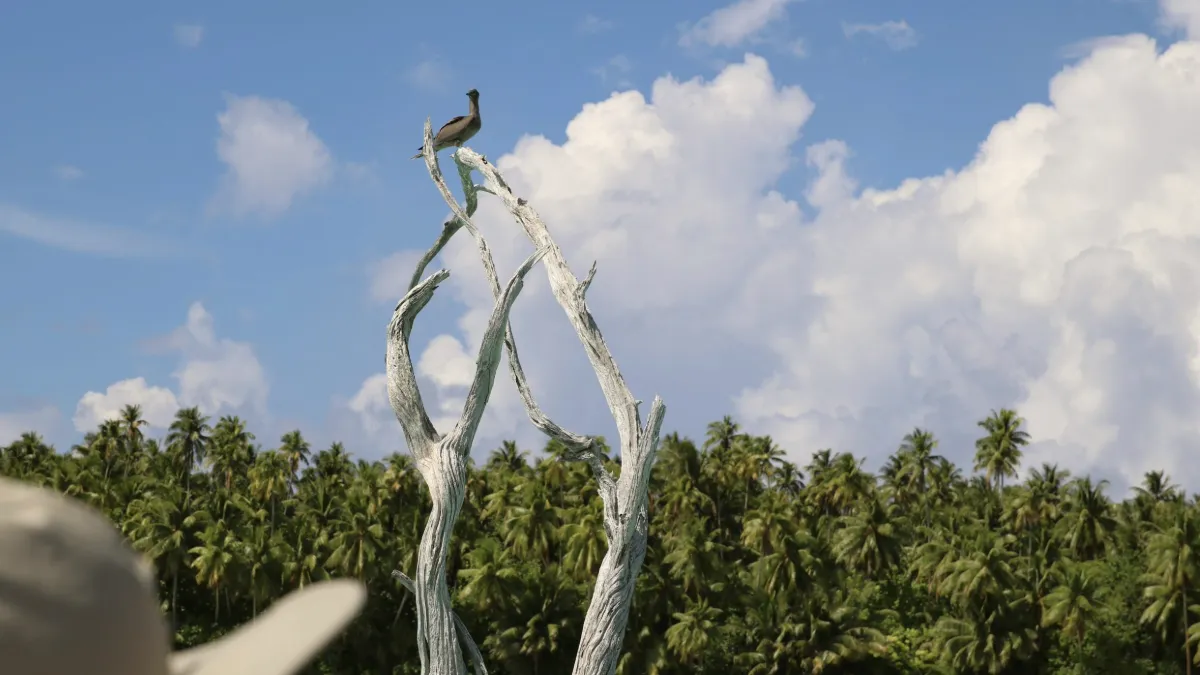
During Climate Week NYC 2026, see where Columbia Journalism School students and alumni are taking their reporting.
Reporting Climate Stories With The Associated Press
This year, a collaboration with The Associated Press will give Columbia Journalism School students firsthand experience developing climate and environmental stories with editors at a global news organization.
Students in the Visual Craft program will pitch ideas, work with assigned AP editors and develop reporting for publication. The experience will introduce them to newsroom expectations from pitching to delivering a finished story.

“New York City and surrounding areas are rich with climate-related stories and Columbia Journalism students are some of the best anywhere,” said Peter Prengaman, AP’s climate and environment news director. “That combination makes me super excited about the stories we are going to build together.”
For AP, the collaboration offers an opportunity to work closely with emerging journalists whose perspectives, reporting skills and developing experience across formats can bring new approaches to the publication’s coverage. Students will also help surface stories in the New York area that newsrooms might otherwise miss.
“We are thrilled to be working with the AP, and specifically with Peter and his team, leaders in climate coverage,” said Duy Linh Tu, '99 M.S., Dean of Academic Affairs.
The work will emphasize human storytelling that connects climate change to everyday life, helping students recognize environmental angles across beats and develop stories that resonate with audiences.
Climate Week Alumni Spotlight: Ryan Green, '25 M.S.
Ryan Green, ’25 M.S., is a science journalist, photographer and videographer whose work has appeared in Scientific American, Smithsonian and Inside Climate News. With support from a Pulitzer Center Oceans and Fisheries Reporting Grant, she traveled to the remote outer islands of French Polynesia to investigate how a colonial-era industry may be harming vulnerable atolls.
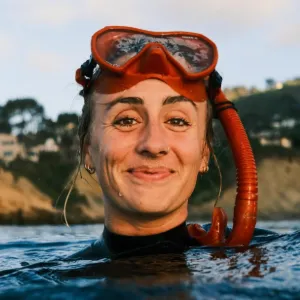
Watch Green report from the field and reflect on how Columbia Journalism School helped her build an unconventional career covering some of the ocean’s most complex stories.
Explore Green’s work:
- Colonial-Era Coconut Farms Pose Risks To The Survival Of Pacific Atolls – Honolulu Civil Beat
- Coral Reefs in French Polynesia Are Stuck Between Life and Death – Inside Climate News
- The Global Web of Subsea Cables That Connects the World Can Now Detect Whales—Even When They’re Silent – Smithsonian Magazine
Recognizing Environmental Reporting With the John B. Oakes Award
On Wednesday, September 23, the Columbia Journalism School community celebrated the winner of the 2026 John B. Oakes Award for Distinguished Environmental Journalism: “The Poisonous Lead Trade,” a collaboration between The Examination and The New York Times that exposed the human cost of recycling lead from car batteries.
Reporters Will Fitzgibbon, Taylor Turner, Peter Goodman and Samuel Granados documented lead exposure in Nigerian workplaces and communities and traced recycled material to U.S. manufacturers. Their reporting prompted factory closures, government action and tighter supplier rules from American battery makers. Read more about this year’s winner and finalists.
Students Meet Inside Climate News Executive Editor Vernon Loeb
Midway through Climate Week NYC 2026, the Office of Career Development hosted Vernon Loeb for a conversation with students about environmental reporting and investigative work at Inside Climate News. Learn more about how Columbia Journalism School connects students with newsrooms.
CJR Examines How to Cover the Climate Story
In “How Should We Cover the Climate Story?”, Columbia Journalism Review asks climate reporters how they make a complex, often overwhelming beat meaningful to audiences. Written by Delacorte Fellows Carolina Abbott Galvão, ‘25 M.A. Arts & Culture, Ivan L. Nagy, ‘25 M.A. Politics, and Riddhi Setty, ‘26 M.S. Stabile, the piece shares reporters’ and editors’ perspectives on the challenges of climate coverage. Read the full article in CJR to learn more.
Connecting Climate Journalism and Collective Action
On Thursday, September 24, Columbia Journalism School and the Pulitzer Center will host “Breakthrough Journalism: Climate Stories, Collective Action,” an interactive roundtable exploring how environmental reporting can strengthen public understanding, accountability and collaboration.
The discussion will bring together journalism, research, philanthropy, civil society and other sectors to examine what happens after a story is published.
Panelists include Duy Linh Tu, ‘99 M.S., Dean of Academic Affairs at Columbia Journalism School; Annika McGinnis, co-founder of InfoNile and a Pulitzer Center Rainforest Investigations Fellow; Isabelle Tavares, a Planet Detroit reporter and Pulitzer Center Storyreach U.S. Fellow; and Flora Pereira, the Pulitzer Center’s Chief Impact Officer. Learn more.
Columbia Journalism School Alumni Earn Climate Journalism Honors
Twelve Columbia Journalism School alumni were honored across seven categories in the 2026 Covering Climate Now Journalism Awards for reporting that examined climate solutions, environmental justice, extreme weather, migration and public health.
- Solutions: Victoria Uwemedimo, '15 M.S., and Katarina Zimmer, '17 M.S., for Knowable Magazine’s “For Climate and Livelihoods, Africa Bets Big on Solar Mini-Grids”; and Shannon Geary, '22 M.S., and Brian Edwards, '20 M.S. Stabile, for Big Picture Science’s “Leave It to Beavers.”
- Justice: Wufei Yu, '19 M.S., for Grist’s “Inside the Indonesian Boomtowns Powering the World’s Electric Vehicles,” examining the human and environmental costs of nickel production.
- Fossil Fuels: Eli Moskowitz, '24 Lede Program, for “Romania’s Coal-Powered Energy Giant May Have Underdeclared Emissions — and Saved Hundreds of Millions,” published by The Organized Crime and Corruption Reporting Project & The Rise Project (OCCRP).
- Extreme Weather & Its Impacts: Susan Merriam, '22 M.S., for the Miami Herald’s “Floods of Trouble,” which revealed gaps in South Florida’s official flood-risk data.
- Displacement & Migration: Carla Mandiola, '25 M.S., Jazzmin Jiwa, '25 M.S., and Subhanjana Das, '25 M.S., contributed to “Nothing to Go Back To: How Climate Change Is Driving Migrants From Their Homes to NYC,” produced by Documented.
- Forests, Oceans & the Natural World: Annika Hammerschlag, '16 M.S., for “These Surreal Trees Survived for Centuries. Scientists Worry for Their Future,” published by The Associated Press.
- Health: Nina Dietz, '23 M.S. Stabile, for Inside Climate News’ “After the Fires,” examining environmental hazards that remained after the January 2025 Los Angeles wildfires.
- Large Projects & Collaborations: Joshua Partlow, '02 M.S., for The Washington Post’s “Floods Above,” a six-part investigation into the effects of unprecedented atmospheric moisture on the earth.