#ReportingBeginsHere: Yuna Kim, '26 M.S.
Yuna Kim, '26 M.S., knows that it’s imperative to step out of your comfort zone to get a good story.
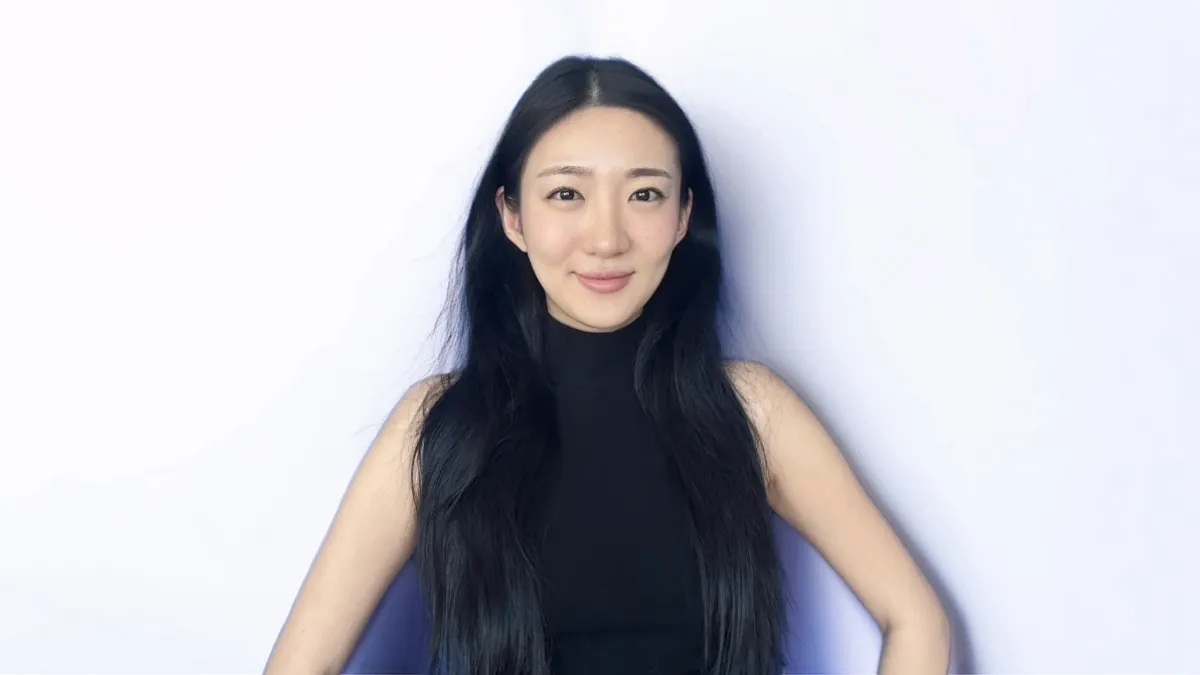
Yuna Kim
Hometown: Los Angeles
College Major: B.A. English, Minor Global Studies
What led you to journalism? Was there a moment when you knew this was the work you wanted to do?
I've always been interested in journalism. That was my childhood answer to, “What do you want to be when you grow up?” But it never panned out that way. I spent a good chunk of my career doing things like media production, mostly.
Then, in 2020, that’s when a lot of things were happening, obviously. And the only way we could learn more about what was happening was if we had the media literacy to be able to discern who is telling the truth. As an Asian American woman, I felt more compelled than ever to stay updated at that moment, especially because of COVID-19, the Black Lives Matter movement and the general civil unrest. So I wanted to contribute, in the best way possible, to journalism in its goal of helping people discern the truth with the digital skills I already had.
What drew you to Columbia, and how did you imagine this experience would shape your storytelling?
Columbia was the only graduate program that I applied to. I knew it was the best in the nation. It’s the only Ivy League school with a journalism program, and the alumni who have come out of this program are accomplished and do influential work. So, for me, it was a no-brainer that I wanted to be at Columbia, with the best and the brightest. Plus, I loved that the M.S. program was accepting of new journalists because I felt like a beginner and I imagined it would be a good way for me to transition into this industry.
Has there been a moment at Columbia that’s really stayed with you, something that changed how you think about reporting or storytelling?
Since I’ve been here, I think I've really built a good intuition. We read so many good examples of good journalism. For our own stories, we go through so many revisions, too, that I’ve learned to look at an interview I’ve done and go, “That could be a story.” Or, when I’m doing an interview, I can now go, “That’s the quote. That’s what I needed for this story.” So my whole experience at Columbia has trained a really strong eye for good storytelling.
Tell us about a recent story or project that’s meant the most to you. What drew you to it, and what did you take away from it?
The Met Opera has a hoity-toity image—you come in a tuxedo or you come in a gown—but they don’t technically have a dress code due to modernization efforts. I wanted to ask them, “Will you accept someone who’s in a bathing suit or flip flops?” They said they couldn’t talk to me. I was like, “Okay, if I can’t talk to anyone, then I’ll just do it.” I got a ticket and showed up in cheap, ugly flip flops, an“I Love New York” t-shirt, sunglasses—at seven at night—and Lululemon shorts. I walked in and said, “Here’s my ticket.” They said, “Welcome.” I did get dirty looks and pointed fingers from audience members, but I enjoyed the show regardless. It was freezing—but it was cool.
I never would have done that before. It’s Columbia that really makes you tenacious for a good story. At first, I wasn’t sure if I had the confidence or drive to do something like that, to immerse myself and work around an obstacle in that way. That’s what Columbia has instilled in me, though. If I want a good story, I’m the one responsible for getting a good story.
What kinds of stories feel most urgent or meaningful for you to tell right now?
I came into Columbia thinking that I would only be reporting on the arts and culture, but the program has opened my eyes to how important and interesting other beats are for me, too. In one class, I’m doing a story on student gambling and how that’s becoming a new social activity. That’s something I wouldn’t normally have had an interest in—and I can still be creative and add my own flair to it—but that’s news and you never know where a story like that will lead you.
When you think ahead, what kind of journalist do you hope to become, or what kind of impact do you hope your work will have?
The younger generation is getting a lot of its news from online sources, so I want to focus on journalism for a younger demographic. I’d love to work with programs and schools to develop more media literacy, or build a digital platform where younger people can partake in and learn journalism. With the newer generation, I think there’s a growing distrust. And I’d love to repair that trust in some way, to work with young people, get their stories out there and make them feel heard. I want to show them that journalism is for everyone.