#MeetOurAlumni: Kavita Chandran, ’98 M.S., author, trainer and Regional Representative for Asia on the Columbia Journalism School Alumni Board
A career shaped by field reporting and global newsrooms, and a belief that the strongest stories begin with listening.
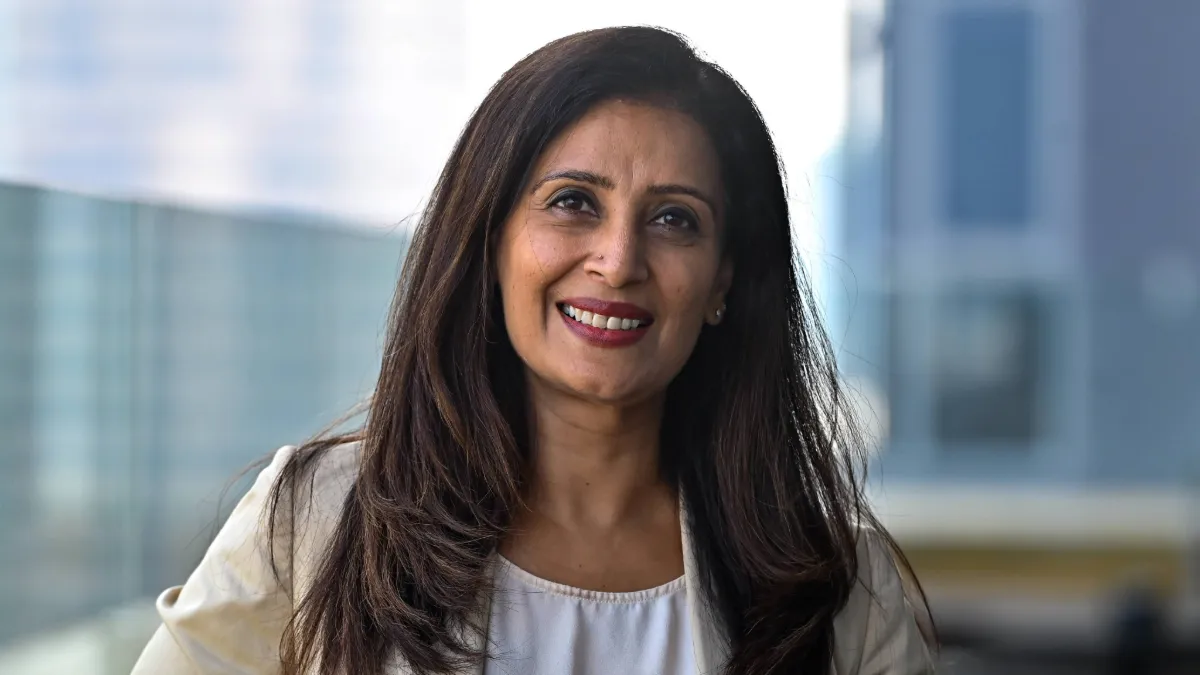
What does a day of reporting or storytelling look like for you, and what work are you most proud of?
As a former reporter and now a journalism trainer, I believe a typical day should involve field reporting. I belong to a generation of journalists that was rarely inside the newsroom; there was no substitute for being on the field and talking to as many ‘affected’ people as possible. Good storytelling comes from speaking to those who are living the story one is reporting about. When a mentee of mine makes the effort to spend time with people and listen carefully to their woes and wins, their story becomes richer and more insightful with color, details and anecdotes. There is a lot I am proud of as a journalist, but my biggest learning came as a news associate with CNBC, soon after I graduated from CJS, when I worked on the floor of the New York Stock Exchange, rubbing shoulders with market traders. It was this floor training that led me to join the breaking news team at Bloomberg, and then go on to teach U.S. equities at Reuters. What culminated from my journalism experience –one I am most proud of – is the book “Headlines that Matter: How News moves Markets” (published by Georgetown University Press, 2025).
Which CJS skill do you find yourself using most often?
“Every claim in your story needs backup evidence”. This reporting skill was taught to me by my mentor at CJS, Prof. Terry Anderson. Terry was awe-inspiring and nerve-racking at the same (he survived seven years in captivity in Lebanon, was gentle yet firm, and read each sentence very carefully, questioning and re-questioning every claim). I found myself doing the same as an editor later, and now as a journalism trainer and mentor to many journalists in Asia. Evidence comes from data, from anecdotes, from quotes – if someone says the region is ‘worst-hit’, or the company incurred a “big loss”, a good reporter need to press them for evidence and numbers to back that claim. CJS lays a strong foundation on accuracy and evidence-backed reporting, and that stays on forever.
What’s the most unexpected place your CJS degree has taken you, geographically or professionally?
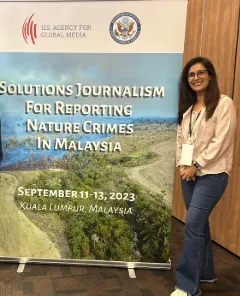
I have worked across US and Asia, largely in India and Singapore. I am not sure how much my geographic locations or newsrooms were linked to my CJS degree, but I do know the college brand name played a big role in connecting and networking with alums wherever I went – be it Malaysia, Thailand or Bangladesh. While studying in CJS, my RW1 beat was Flushing, Queens, where I wrote about small and medium Korean businesses and learned a great deal - I doubt if I would have visited the area and discovered an awesome community of hard-working people had it not been for my school work.
What does being a Columbia Journalism School alum mean to you today?
It has been 28 years since I graduated from CJS and the brand tag hasn’t left my professional handle. It is synonymous with pride, ethics and integrity.
If you could give one piece of advice to current CJS students right now, what would it be?
Sometimes there is magic in silence. When you interview for a feature story, don’t fill up every pause with your comment or question – let the emotion linger and your subject will give you that perfect ‘golden quote’ to weave into your writing.