#MeetOurAlumni: CJS Alumni Board Chair Andrew Seaman, ‘11 M.S. Stabile, and Editor at Large for Jobs and Career Development at LinkedIn
Inside a career at the intersection of journalism, data and professional growth that started at CJS.
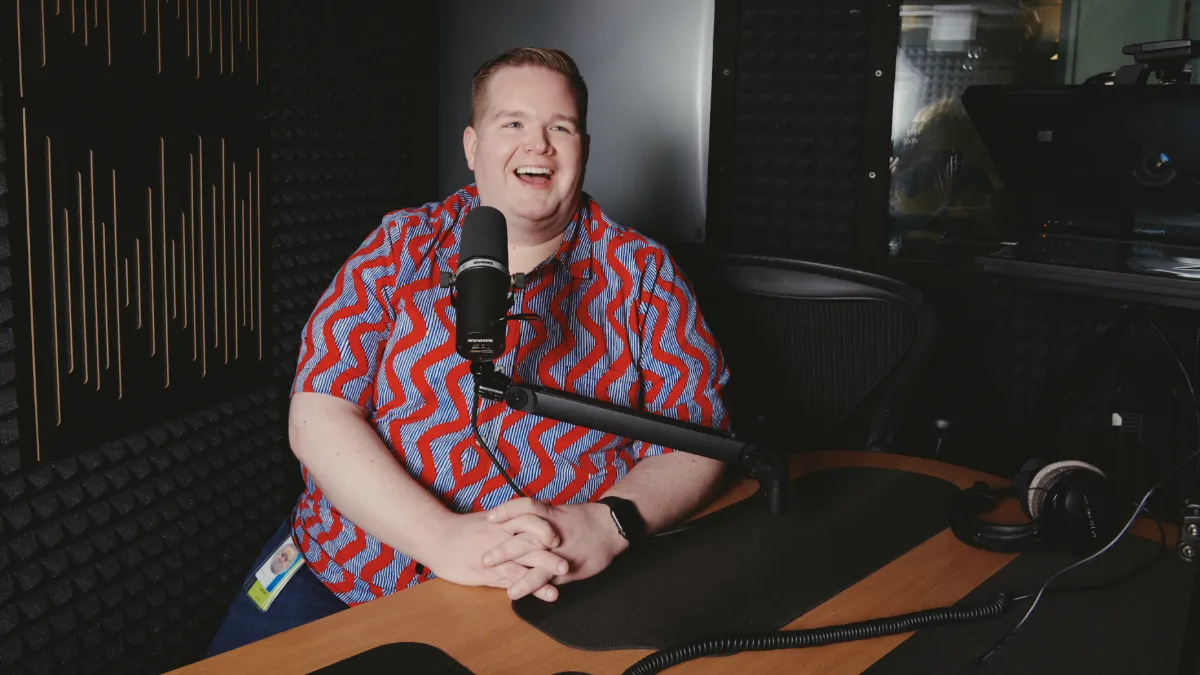
What does a day of reporting or storytelling look like for you, and what work are you most proud of?
I'm very fortunate that LinkedIn gives us great freedom to create content that best serves our members. In my case, I'm focused on figuring out how to help people get hired and get ahead in their careers. How I do that is looking at the latest news and data about the labor market and bringing that down to an individual level. My day starts by looking at a bunch of news sources and our own LinkedIn reports. Then, I am often working on figuring out how to translate that information into actionable advice for our members — via video or text. My day also involves a lot of meetings with other team members on various projects and people who work on different features across LinkedIn. Honestly, the work at LinkedIn is truly a team effort. Also, since the main focus is on helping our members, it strongly aligns with what drives us as journalists.
Which CJS skill do you find yourself using most often?
More than anything, what I learned about interviewing has been incredibly helpful at LinkedIn and during my time at Reuters as a medical reporter. There are so many small nuances you can employ to help people open up and be comfortable. Looking back, those skills were so important whether I was interviewing politicians, scientists, economists or just people trying to navigate their day-to-day lives. Those skills make a difference for readers, listeners and anyone consuming our content.
What’s the most unexpected place your CJS degree has taken you, geographically or professionally?
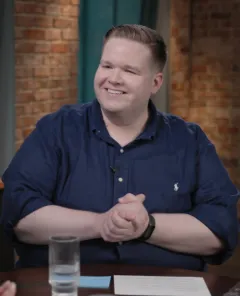
My Columbia J-School degree has taken me a lot of places. Honestly, my whole post-grad career is largely due to connections built there. In terms of a professional milestone, I would say my LinkedIn podcast was unexpected. I always had a soft spot for audio but I didn't think that was in my future. Thanks to what I learned in grad school, I was able to dust those skills off and quickly re-educate myself on the latest tools and tech. As a result, I was able to be more than just a host. I was able to contribute to production conversations and work more closely with my producers and engineers.
What does being a Columbia Journalism School alum mean to you today?
As the alumni board chair, I regularly think about this question. Part of it is, of course, being proud of the school's long and storied history. A bigger part, for me, is being part of a community and school that is actively shaping the profession's and world's futures for the better. What's most exciting about it is that both are evolving so quickly. We get to see the school, its faculty and staff recalibrate in real time. As an alum, I believe we play a part in that work by helping support them and current/future students navigate these complex realities.
If you could give one piece of advice to current CJS students right now, what would it be?
Journalism, for a very long time, was a prescribed profession. Now, not so much. Don't think you have to go work for a traditional media company or the latest tech startup to make a difference in people's lives with your work. You have more options than you think.